
 Janine Griffiths
Most of us deal with the same everyday frustrations in our neighbourhoods: bins that don’t get collected on time, litter being dropped on the streets and buses that don’t turn up on time.
What many people don’t realise is that the person with the most power to nudge these things forward isn’t in Westminster at all. It’s your local councillor.
Yet lots of people don’t know who theirs is, what they actually do or how to reach them. With the Leeds local elections coming up, now is a good time to strip away the jargon and explain, in plain English, what a councillor is and why it matters.
The role of a local councillor
Councillors are the people chosen by residents to speak up for their area or ward. Their role is to push for improvements and make decisions that shape daily life in Leeds.
They act as a bridge between the local community and Leeds City Council. As well as being an advocate for residents and influencing council decisions on funding and decision-making, they work with other organisations. This could include police, local schools and health services to help bring about improvements to services and the environment for their local community. Their role includes signposting people to the right people at the council, and keeping residents informed about the issues that affect them.
Councillors usually represent a political party, such as Labour, the Green Party or Tories, but can also be independent.
The day to day role of a local councillor
The day-to-day role of a local councillor may include things like supporting organisations and individuals in their area by attending local events, working with the local council to make improvements to their wards, and campaigning on pressing issues.
They will also hold special talks with local residents (called surgeries) to hear their concerns about problems in their ward. Councillors should also make sure that people know who they are and what they are doing on their behalf.
They typically spend a large amount of time dealing with individual casework, which can range from helping residents challenge housing issues to raising complaints about local services that are not working as they should.
While they do not directly fix every problem themselves, they can push it up the chain and make sure it gets attention from the right teams at the council.
How to contact your local councillor in Leeds
If you want to get in touch with your local councillor in Leeds, the first step is to find out who represents your ward.
You can search for local councillors in your area by visiting the Democracy Leeds website.
To find out more information about a specific councillor, visit the Leeds City Council website, where you simply enter your postcode to see who your councillors are, their contact details and the area they cover. You can also search for councillors by name (if you know it) and select it from the dropdown menu.
You will then be able to see all of the relevant information about your councillor and get their contact details. The page will also list details of when and where their surgeries are.
If you are unsure who to contact or what ward you live in, the council website also provides a simple postcode checker that points you in the right direction, along with information about upcoming council meetings and how decisions affecting your area are made.
What does your councillor stand for?
If you want to get a sense of what your local councillor believes in or what they’re working on, the easiest place to start is their public updates on social media platforms such as Facebook, X and Instagram. Many councillors share posts on social media about the issues they are working on in their ward, whether that is housing repairs, road safety, green spaces or community events.
You can find them by entering their name inside the social media platform you are on and searching for their page. Many councillors for example are on Facebook and often post videos of their activities and campaigns on the platform.
You can also email them directly and ask about the topics that matter to you. Councillors expect questions from residents, and most are happy to explain what they are working on, what their priorities are and how they can help with local concerns. Simply visit Leeds City Council’s website to find their details. If they represent a political party, you can also look at that party’s local manifesto to see the broader policies they support in Leeds.
Why should you care?
It’s easy to feel like local elections don’t affect much, but the decisions made at Leeds City Council shape a lot of everyday life.
If you’ve ever dealt with antisocial behaviour, late-night fireworks, dog fouling or any of the everyday problems that make a neighbourhood feel neglected, voting is one of the ways to make sure your local representatives pay attention and are held accountable for fixing them.
From road repairs and street cleaning to libraries, parks, planning decisions and social care, these choices are made locally, not in Westminster.
Local councillors help decide how money is spent in your area, what gets prioritised, which projects are funded and how quickly issues get dealt with. If you want better services, safer streets or improvements to your neighbourhood, voting is one of the few direct ways to influence who is making those decisions.
Even small numbers of votes can make a difference in local elections because the turnout is usually lower than in a general election. Your vote has real weight, and it helps choose the people who speak up for your community. While national elections set the big picture, local elections decide who is dealing with the issues on your doorstep and how quickly things get done.
How to vote for your local councillor
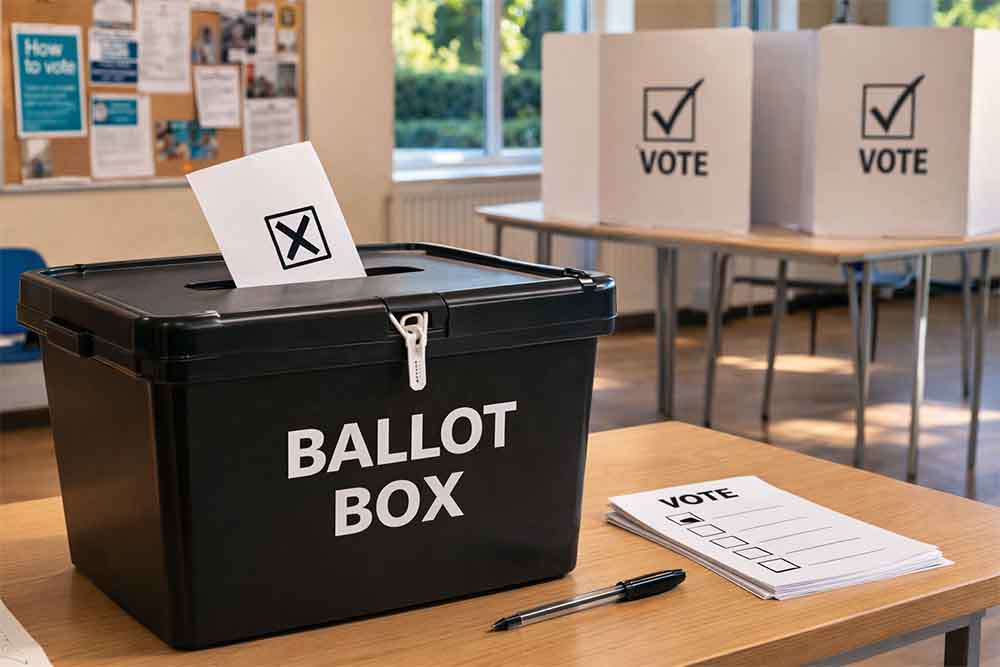
This year, the local elections in Leeds take place on May 7. If you want to vote, you must be registered. Anyone who has not registered already needs to do so before midnight on April 20. You can register by visiting the Leeds City Council registration page.
Once you are registered, you can choose how to cast your vote. Most people vote in person at their local polling station on May 7. Your polling station will be printed on the polling card that your local council sends to your home before the election.
You can also apply to vote by post or by proxy. Voting by proxy means someone else votes on your behalf. If you choose this option, the person you nominate must apply by 5pm on April 28.
To find out where to vote, the simplest option is to check your polling card. It lists the address of your polling station and the opening hours. If you do not have your polling card, you can still vote. Full details on voting in person, by post or by proxy can be found here.
For a more detailed breakdown on how to vote, check out our article on the upcoming elections.
Support independent community journalism!
East Side Story covers the people, places and stories in Leeds that are too often overlooked. While national headlines chase conflict and clickbait, we focus on real communities and the issues shaping daily life in East Leeds.
Divisive content, AI noise and online rumours spread faster than ever. At the same time, many mainstream outlets are stretched and rarely spotlight the community organisations and local champions who deserve recognition.
East Side Story was created to change that. We answer only to our readers. We have no corporate owners or billionaire funders. Our journalists report freely, ask difficult questions and hold power to account.
Your support helps us keep this work going. Monthly contributions make the biggest impact because they allow us to invest in deeper reporting and fearless local journalism.
Supporters also receive exclusive updates, behind the scenes insights and other benefits as a thank you for keeping independent journalism alive.