
 Janine Griffiths
The streets of East Leeds are set to become a living history book as the city marks four centuries of transformation, from a small settlement next to Rothwell into the thriving hub it has become today.
While the official milestone honours the 400th anniversary of the first Royal Charter in 1626, the heart of the “Leeds 400” celebration is not in old documents, but in the modern stories of the people who live here.
Jane Walne, Chief Officer Operations at Active Leeds and Gaby Paradis, Senior Manager of Culture Programmes at Leeds City Council are helping to organise and coordinate many of the activities behind Leeds 400.
They claim that the aim is to celebrate the diversity and growth of Leeds as a city.
Jane explained: “Where we’re headed is, in part, testament to where we came from, but also the people that came to Leeds to make it different, diverse and culturally rich.”
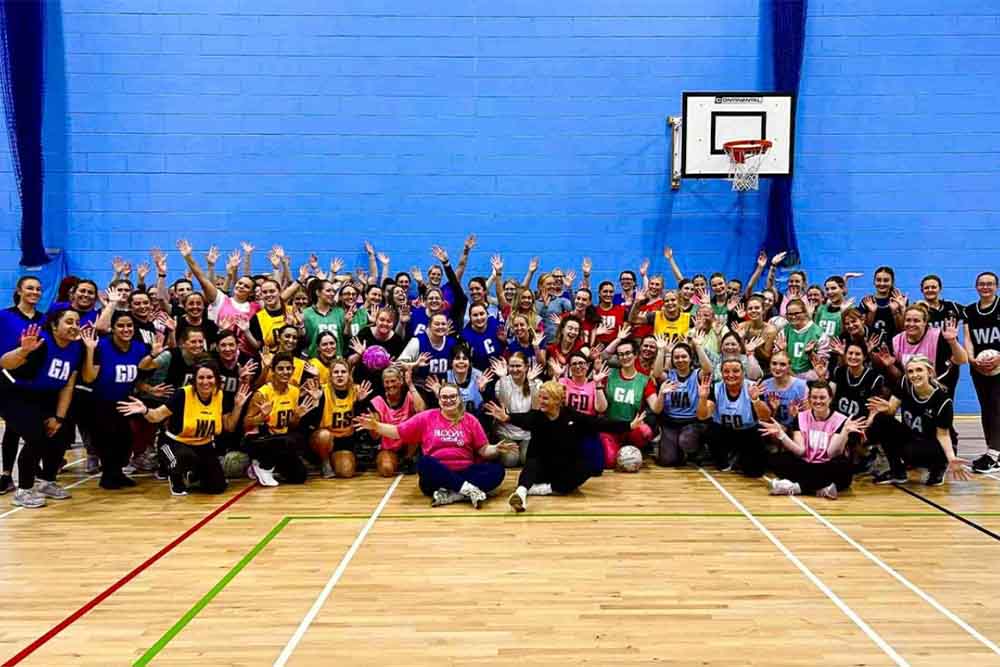
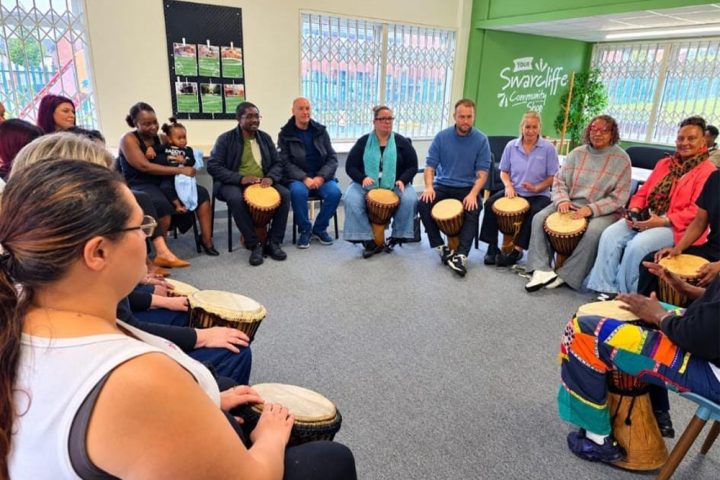
One of the most engaging ways residents are getting involved is through the “What’s your 400?” campaign. This initiative encourages everyone to contribute in their own way, whether it is a choir singing 400 minutes of music, school children taking on a 400-sports bingo card, or an individual doing 400 skips in their garden.
Indeed, these are just some of the ways people are already getting involved in the year long celebration of the 400th anniversary of Leeds receiving its first Royal Charter from King Charles I.
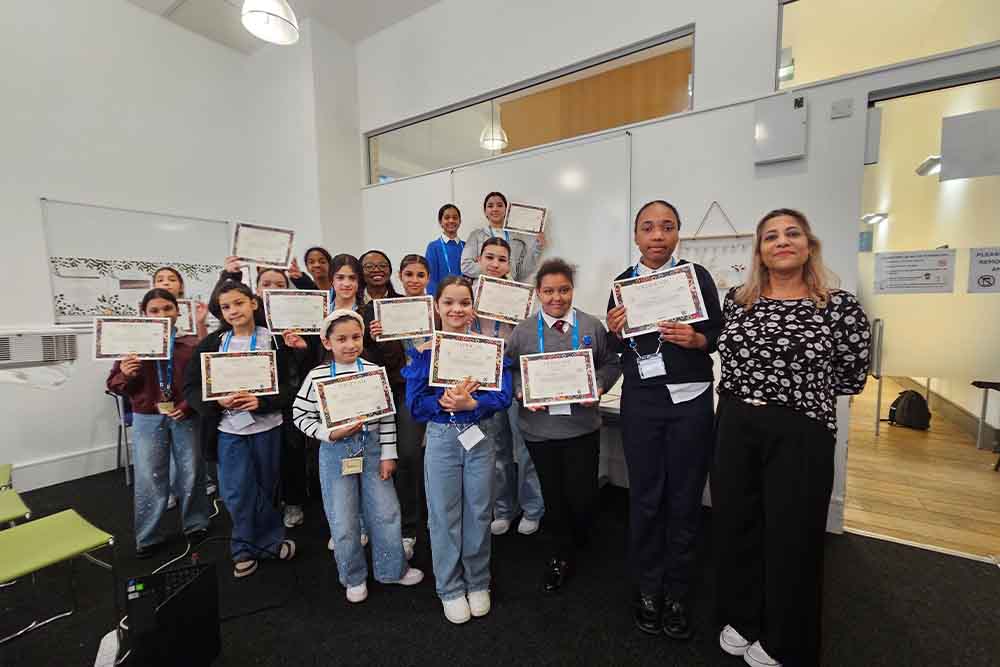
“It doesn’t matter the size,” explains Gabby, adding: “The idea is people can share that, and they get a digital certificate to try and kind of collectively celebrate that this is who we were.”
The charter, signed on July 13 1626, gave Leeds the rights to trade, appoint aldermen, and take a bigger political role.
But organisers say this year is not about looking backwards. It is about listening to the people who make the city what it is today.
“We wanted to use 100 years to show that today we’re a really thriving, fascinating, diverse and unique city now,” Jane explained.
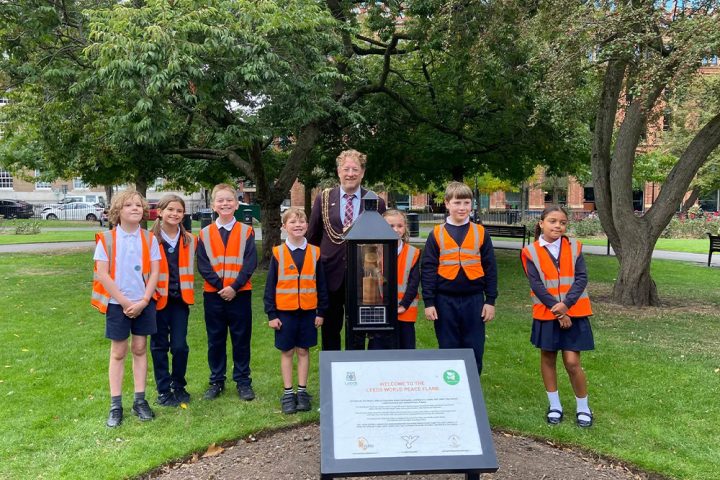
The team has also distributed time capsule packs to schools across the city. On July 13, young people will bury their capsules telling stories of what Leeds is like in 2026. The offer has now been extended to community groups.
One of the most unusual projects is a life sized Trivial Pursuit game being installed in Leeds City Museum and the art gallery.
The game will feature facts about historical figures, sporting moments, and cultural representations of the city, including stories of migration, the Windrush generation, and the growth of Irish communities.
Organisers are also working with the West Yorkshire Archive to help small community groups preserve their own histories.
Leeds inspired, a free online platform, allows any organisation or group to list their Leeds 400 events. A dedicated email inbox is also open for anyone with an idea or a question.
The history of Leeds is as rich and varied as the people that live here. Leeds is the birthplace of carbonated drinks, the starting point of major railways, and even the home of the designers behind the White House and the Sydney Opera House. Ultimately, the goal is to leave a lasting legacy that goes beyond a single date on a calendar.
Jane explained: “We want to capture all of that, and when we get to the end, we want to play it back and tell people what they told us, what they did and how they contributed.”
By the end of 2026, the city hopes to have a digital and physical archive of “who came out to celebrate” and what it truly felt like to live in Leeds during its 400th year.
As the organisers put it: “If we don’t do it, we’ll never know”.
Support independent community journalism!
East Side Story covers the people, places and stories in Leeds that are too often overlooked. While national headlines chase conflict and clickbait, we focus on real communities and the issues shaping daily life in East Leeds.
Divisive content, AI noise and online rumours spread faster than ever. At the same time, many mainstream outlets are stretched and rarely spotlight the community organisations and local champions who deserve recognition.
East Side Story was created to change that. We answer only to our readers. We have no corporate owners or billionaire funders. Our journalists report freely, ask difficult questions and hold power to account.
Your support helps us keep this work going. Monthly contributions make the biggest impact because they allow us to invest in deeper reporting and fearless local journalism.
Supporters also receive exclusive updates, behind the scenes insights and other benefits as a thank you for keeping independent journalism alive.