
 Janine Griffiths
Residents in communities such as Gipton and across East Leeds face stark differences in how long they live and how soon they get help.
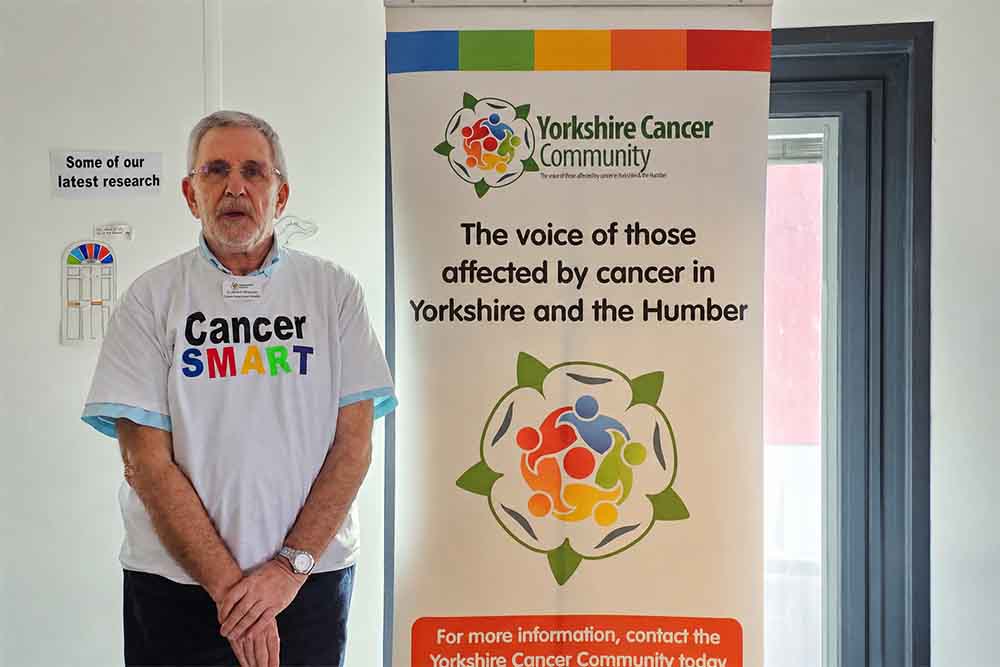
For Dr Stewart Manning, a retired GP from North Leeds, those inequalities have become the driving force behind his work with Yorkshire Cancer Charity and several other local organisations.
The 75 year old has spent much of his retirement travelling into some of Leeds’ most disadvantaged neighbourhoods, determined to close the widening gap in health outcomes. He says the divide is impossible to ignore. “If you live where I do in North Leeds, your life expectancy is 12 to 14 years more than if you live in a poor area like Gipton, if you have a learning disability, it’s a 25 year life expectancy gap and that’s unacceptable.”
Manning grew up in Leeds, trained in London, and went on to work as a GP in South Leeds before retiring in 2012. But retirement didn’t stick for long. His involvement with the Yorkshire Cancer Charity began almost by accident after meeting its administrator, Jill Long. Within months, he became chair.
He now volunteers with organisations supporting people affected by cancer, including families dealing with food poverty and young adults navigating treatment. He believes the personal losses he has suffered have strengthened his commitment to help others. “I lost three of my four best friends with cancer. So this is my way of dealing with grief, it helps me cope,” he said, adding: “I think it inspires me. I think I realised how lucky I am, and I hate health inequalities.”
Manning has also worked with local hubs such as Hamara Centre and Chapel FM, helping deliver cancer awareness sessions and supporting food distribution. Whenever food was left over from community events, he says, it went straight back to those who needed it most.
His father’s values fuel his charitable instinct. “My father was a very charitable man, and when I was about 10 years old, he told me to never walk past the collection tin, even if you don’t like the charity.” Manning now donates to small organisations wherever he can, believing modest contributions carry real weight for groups working on the frontline.
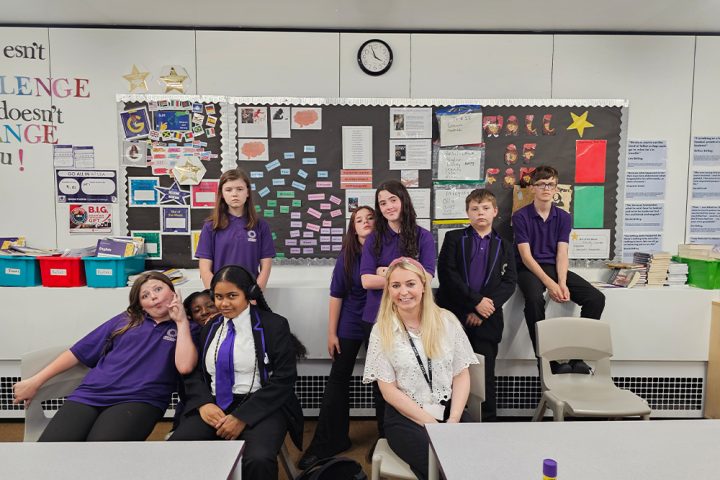
However, the work he is most proud of is his hands-on engagement in communities. He gives cancer awareness talks in places where addressing the subject can be sensitive or frightening. One particular moment stayed with him. After delivering a talk about the importance of screening, he returned several weeks later to hear that two people had completed tests they had previously ignored.
For Manning, these individual breakthroughs capture the heart of what he tries to do. He said: “One person cannot change the world, but anyone can change the world for one person.”
Manning says the roots of ill health in East Leeds run far deeper than individual choices. Many of the communities he visits are dealing with cramped, poor quality housing and overcrowded living conditions, which he believes play a direct role in widening the health gap. He says families struggling with poverty often face environments that make it harder to stay well, harder to seek help early and harder to break the cycle.
“If you want people to come out of poverty, you need to improve their living conditions. It’s difficult, because many have big families living in crowded, poor accommodation. And for some groups of people, without help, they’re never going to get out of the situation they’re stuck in.”
For Manning, the only long term solution begins with education. He believes meaningful change can only happen if communities are supported from childhood onwards, with honest conversations about health, access to information and the confidence to seek help when they need it.
He added: “I think we need to offer much better health education to communities starting at school age. You’ve got to address these things over a period of time. We’re going to go into schools and encourage people at an early age not to smoke.”
Manning accepts the work will take a long time. But for a man who has built his life around small victories, that is exactly where he believes progress begins.
Support independent community journalism!
East Side Story covers the people, places and stories in Leeds that are too often overlooked. While national headlines chase conflict and clickbait, we focus on real communities and the issues shaping daily life in East Leeds.
Divisive content, AI noise and online rumours spread faster than ever. At the same time, many mainstream outlets are stretched and rarely spotlight the community organisations and local champions who deserve recognition.
East Side Story was created to change that. We answer only to our readers. We have no corporate owners or billionaire funders. Our journalists report freely, ask difficult questions and hold power to account.
Your support helps us keep this work going. Monthly contributions make the biggest impact because they allow us to invest in deeper reporting and fearless local journalism.
Supporters also receive exclusive updates, behind the scenes insights and other benefits as a thank you for keeping independent journalism alive.