
 Janine Griffiths
Residents in Chapeltown, Harehills and across East Leeds are being invited to take part in a week-long celebration of African arts, culture and creativity as the Leeds International African Arts Festival returns next month.
The festival runs from June 4 to 10 and will feature a diverse programme of events celebrating African film, literature, dance, food, photography and community culture across Leeds. Organisers say this year’s theme, “Connect with Nature”, encourages people to reflect on heritage, wellbeing and the relationship between creativity and the natural world.
Several events will take place close to home for East Leeds residents, including a dance workshop in Chapeltown and a full day of literature and storytelling activities in Harehills.
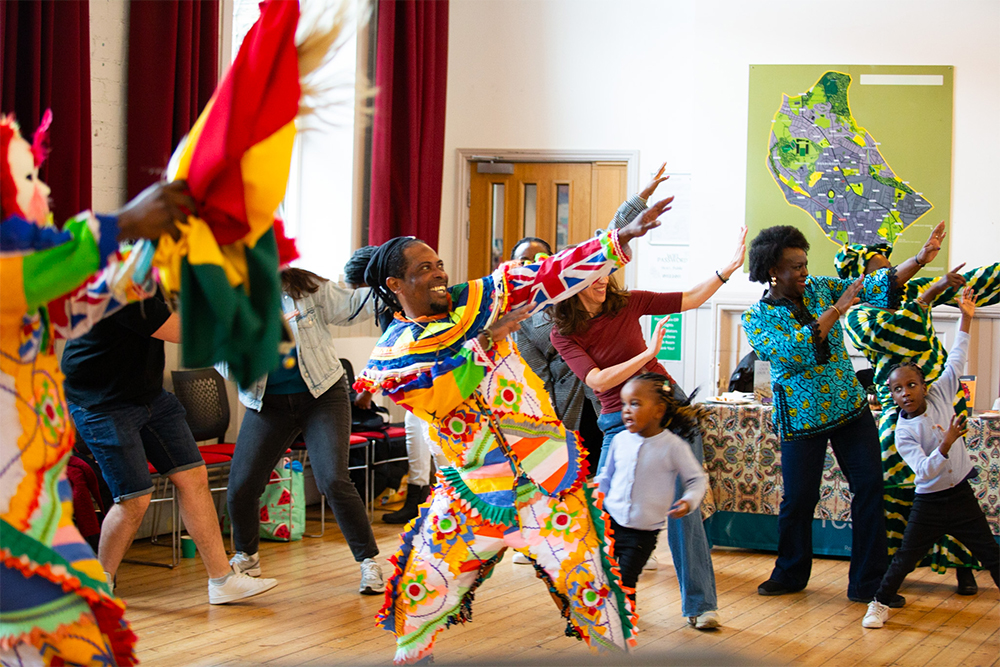
On June 8, the RJC Dance Studio at the Mandela Community Centre on Chapeltown Road will host MAWANGA@LIAAF 2026, an Afro fusion and Afrobeats dance workshop open to all ages and abilities. The session is described as “a celebration of culture, inclusivity, and self expression” and aims to bring people together through movement, music and storytelling.
The festival programme includes the “Cinema Africa!” film showcase at the Hyde Park Picture House, a lively “Afrikan Market” featuring handcrafted goods and authentic Ghanaian street food at the Slung Low Warehouse, and family-friendly heritage activities at Meanwood Urban Valley Farm.
Organisers say the festival aims to create opportunities for people from different communities and backgrounds to connect, learn and celebrate together through the arts.
Whether you want to move to the rhythm of Afrobeats in Chapeltown or engage with powerful storytelling in Harehills, this year’s festival offers an accessible, citywide celebration right on our doorstep.
The festival runs from June 4-10.
Support independent community journalism!
East Side Story covers the people, places and stories in Leeds that are too often overlooked. While national headlines chase conflict and clickbait, we focus on real communities and the issues shaping daily life in East Leeds.
Divisive content, AI noise and online rumours spread faster than ever. At the same time, many mainstream outlets are stretched and rarely spotlight the community organisations and local champions who deserve recognition.
East Side Story was created to change that. We answer only to our readers. We have no corporate owners or billionaire funders. Our journalists report freely, ask difficult questions and hold power to account.
Your support helps us keep this work going. Monthly contributions make the biggest impact because they allow us to invest in deeper reporting and fearless local journalism.
Supporters also receive exclusive updates, behind the scenes insights and other benefits as a thank you for keeping independent journalism alive.