 Janine Griffiths
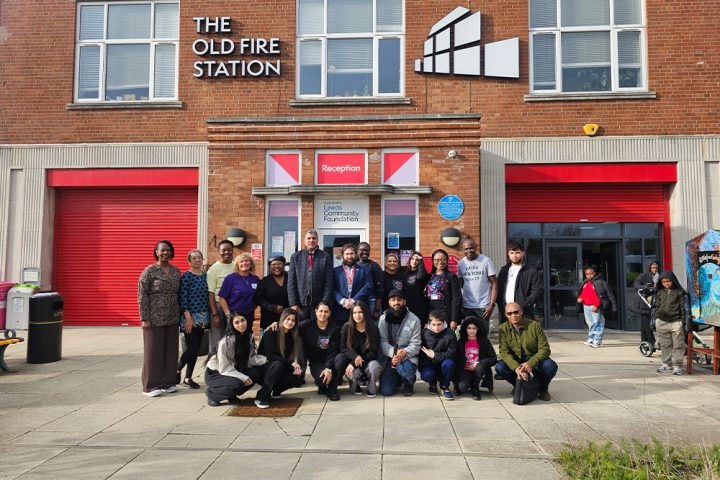
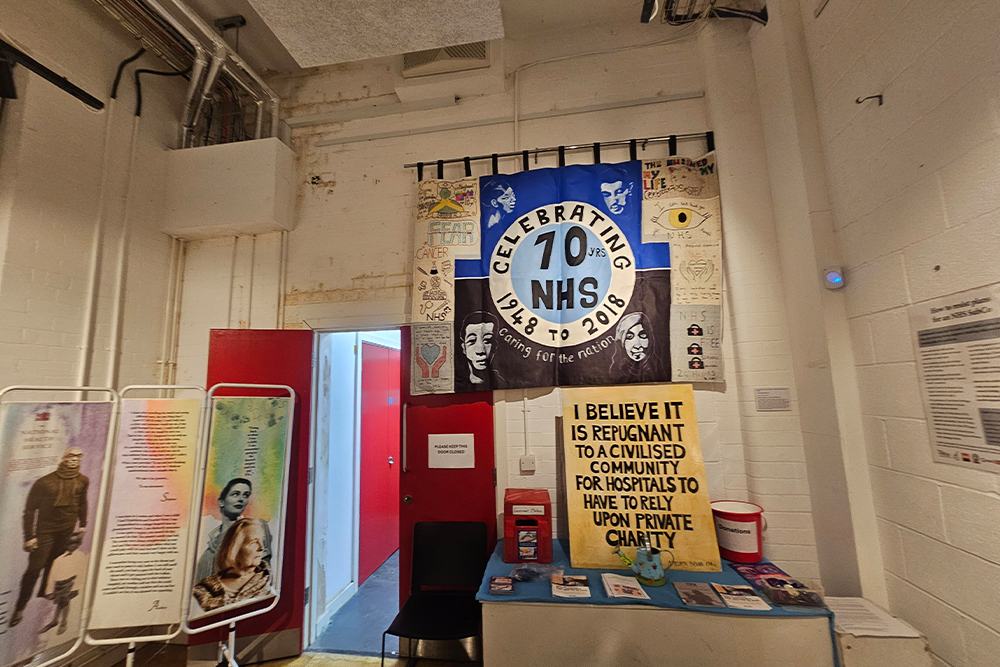
An exhibition in the Old Fire Station in Gipton has brought two powerful national photo displays to East Leeds, shining a stark light on threats facing the NHS and the people who rely on it every day.
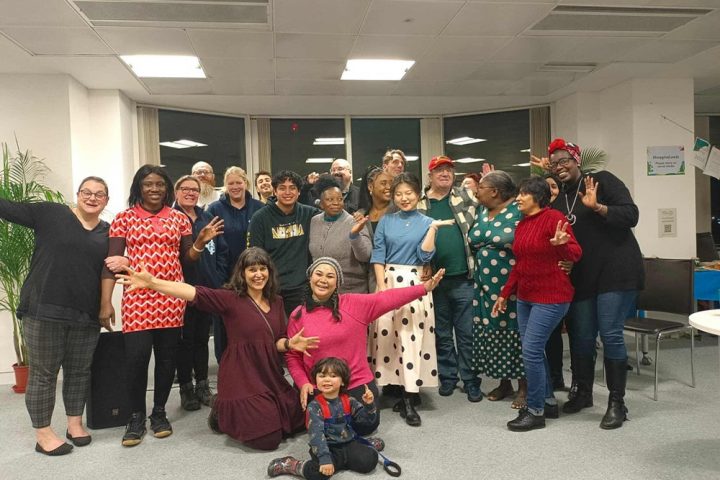
Hosted on January 22nd 2026, the event brought together campaigners, health workers and local residents to explore the impact of hospital outsourcing and migrant charging in the NHS. Many who attended described the experience as both eye opening and deeply emotional.
The exhibition was organised by Leeds Keep Our NHS Public (KONP), supported by Space2. One display focused on hospital trusts using separate subsidiary companies, known as SubCos. The other examined the harm caused by NHS charging policies for people without leave to remain in the UK.
Harehills Green Party councillor and co vice chair of the Green Party, Mothin Ali, told the exhibition team that the NHS had long been a lifeline for his community. “For so long, the NHS has been the lifeline for so many people. We wouldn’t have so many ordinary people living so well and so long if it wasn’t for the NHS,” he said. He added that without it, “most of the people in my community wouldn’t be able to afford private health insurance.”
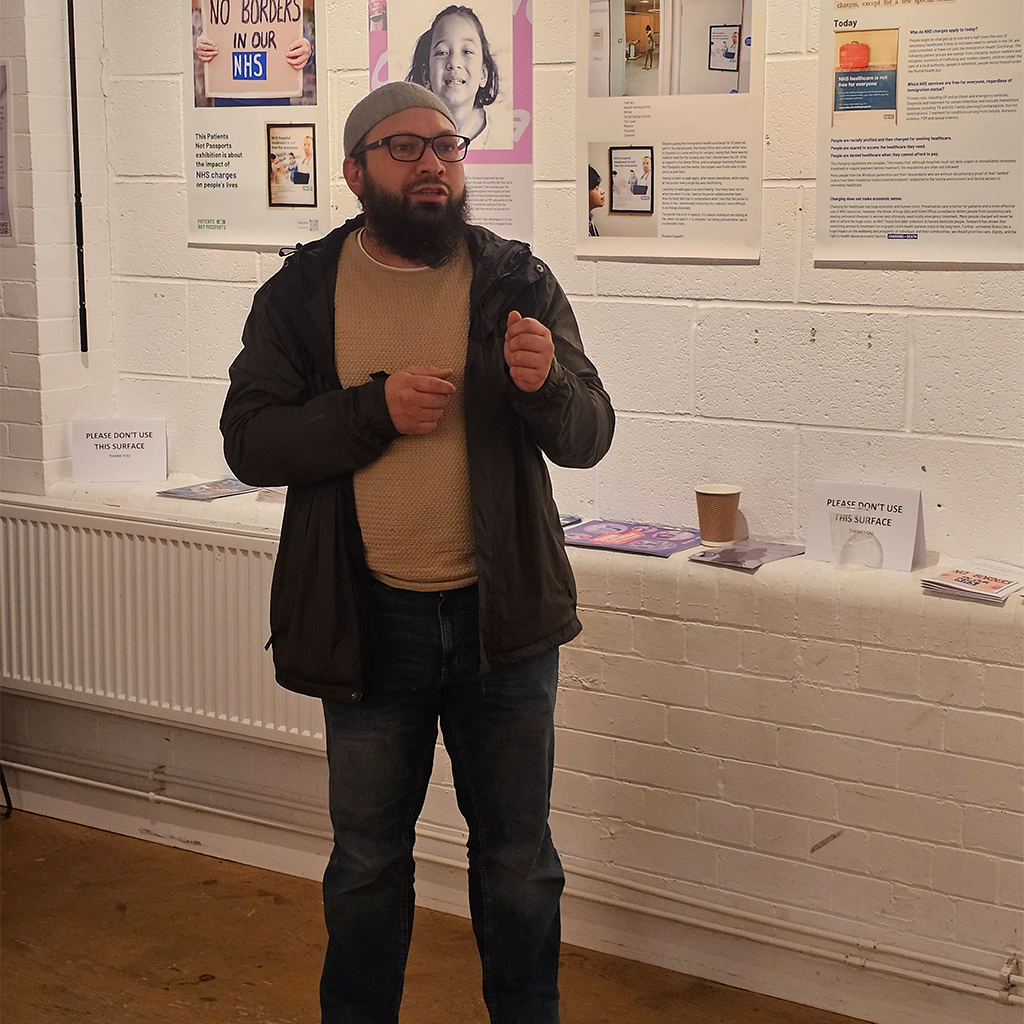
Mothin spoke passionately about the danger of allowing privatisation and underfunding to chip away at services. “It almost feels like underfunding of the NHS right now and driving it into crisis is a way to privatise it,” he said. Exhibitions like the one in Gipton, he added, play a crucial role in reminding people of what is at stake. “We need to make sure that people know how valuable a service this is.”
Dr John Puntis, national co chair of Keep Our NHS Public and chair of the Leeds group, explained to visitors how SubCos were being used to transfer workers out of NHS employment. “They set up this organisation which is legally and financially separate from the hospital, but owned by the hospital,” he said. He explained that this allowed trusts to move porters, cleaners and other staff onto lower pay and worse pensions. “We think that’s really bad, because it’s fragmenting, breaking up the NHS workforce and dividing the NHS workforce into two groups, where they do the same work, but they get paid less.”
SubCos are companies created by NHS trusts to shift services and staff into a separate organisation. By doing this, trusts can cut costs by paying workers less than the standard NHS rates.
They can also move equipment and property, including hospitals and land, into these companies where they are run on commercial terms rather than within the ethos of the NHS. Supporters of Keep Our NHS Public say this model risks weakening the workforce and amounts to a back door form of privatisation.
John warned that some Subco companies had taken on NHS assets that could be sold off in future. “In theory, these organisations could be taken over by private companies. That hasn’t happened yet, but there’s no reason why it couldn’t happen,” he said.
The second exhibition focused on NHS migrant charging. Puntis described how people without settled status could face huge bills for non urgent treatment. He linked the policy to the government’s wider hostile environment. “It undermines the basic principle of the NHS that care is free to everyone who lives here when they need it,” he said.
As visitors moved between the two displays, the impact of the stories became more personal. The photographs and testimonies highlighted the human cost behind the policies Puntis described, setting the scene for how people experienced the exhibition on the night.
Dawn Fuller, one of the event organisers, said exhibitions like this help people engage with stories they would not otherwise see. “They are creative ways for people to see information they’re unlikely to access anywhere else,” she said. The migrant charging photos in particular had left a strong impression. “The human stories and the horrendous impact that migrant charges have on people’s lives, as patients and as doctors and nurses, it’s just absolutely horrendous. It makes me ashamed to be British looking at some of this stuff.”
Despite poor weather on the night, she felt the launch had gone well. “I think there was enough people to make it feel busy and, you know, it had a bit of an atmosphere,” she said. She added that the location of the exhibition inside the Old Fire Station meant it would keep reaching people. “There’ll be people coming in and out of this space every day, so we know that the exhibition will be seen.”
Both exhibitions remain open for viewing at the Old Fire Station on Wednesday 11th February between 6-7.30pm, offering East Leeds residents more chances to explore the stories and experiences at the heart of the NHS.
To find out more about the Keep Our NHS Public campaign, you can visit the website: https://leedskeepournhspublic.wordpress.com or head over to their Facebook page: https://www.facebook.com/groups/141710829185241/?locale=en