
 Catherine Louise Turner
For anyone living in and around the leafy suburbs of East Leeds, the plight of Britain’s beloved native hedgehogs has shifted from a distant environmental worry into a deeply personal, grassroots mission.
Over the past decade, urbanisation, changing landscape designs, and a surge in suburban hazards have quietly pushed our prickly neighbours toward a steep ecological decline. Yet, right in the heart of this suburban landscape, a dedicated beacon of hope refuses to let these iconic creatures slip away unnoticed. Leading the charge to protect, rehabilitate, and champion these spiky locals is the widely admired Garforth Hedgehog Rescue, a vital non-profit organisation that has firmly captured the hearts, minds, and collective conscience of the local community.
Meeting The Team
Behind the daily operations is wildlife rehabilitator Rob Niven, but the rescue’s origin story belongs to his late wife, Sue. She founded Garforth Hedgehog Rescue after saving a hog trapped in garden stones, naming him Rocky – a prickly character Rob still remembers fondly.
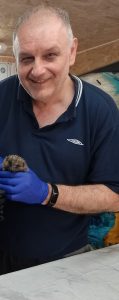
After Sue sadly passed away, Rob took the reins to keep her mission alive. To manage the immense workload, he is supported by a dedicated team that has now grown to 24 passionate volunteers. Among them is Tracie Huby who has dedicated five and a half years to the rescue, alongside core team members Daphne and Sandra G.
Armed with formal animal rehabilitation certificates, the team combines genuine passion with recognised veterinary – allied training. Together, this close-knit network of volunteers carries on Sue’s legacy through freezing winters and frantic summer orphan seasons. Their daily goal is exhausting but vital: nurse the sick, heal the broken, shelter the orphaned, and release them back into the local environment where they rightfully belong.
A Lucky Escape – Triage in Action
While I was visiting this facility to interview the team for this article, the reality of their daily mission unfolded right in front of me. A concerned member of the public rushed through the door carrying an unexpected patient.
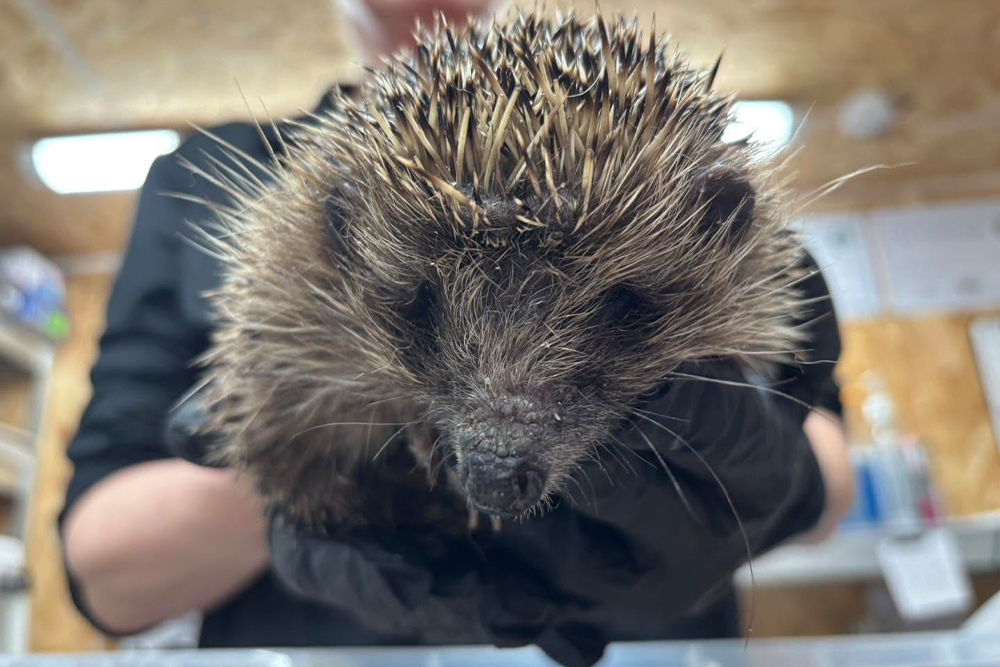
Rob immediately gave the hedgehog a thorough medical examination, methodically checking the animal for any existing microchips. Finding none, Rob and Tracie carefully inserted a chip and logged the patient into their system assigning the hog a unique rescue ID number to track records. The lady who brought the hog in affectionately named her Layla, when Rob confirmed the hog was a female and estimated her age at approximately two years old.
Following the detailed physical assessment, a clean bill of health for Layla was given by Rob along with precise care instructions confirming she was safe to go home. It was a remarkably unique moment for the sanctuary. “It’s rare for a hog to come here, be fully examined, and then released back to the finder within half an hour, “Rob reflected afterwards.
For me, the visit held an even deeper personal magic. I was incredibly lucky to hold a gorgeous little girl hoglet named Amelia, who was just four to five weeks old. Feeling her tiny, spikey weight in my hands was a spectacular reminder of why this team works so tirelessly. To be trusted with such a fragile, beautiful piece of our local wildlife was a true privilege. For lucky Layla and tiny Amelia, the vigilance of the community and the rapid response of the Garforth team ensure the next generation of West Yorkshire hedgehogs has a fighting chance.
The Cost of Modern Living: Common Injuries
Suburban, semi-rural and rural areas like Garforth, Micklefield, Kippax, and the wider East Leeds region offer what looks like a hedgehog paradise on the surface: fragmented gardens, abundant garden waste, and plenty of residential green spaces. However, this proximity to humanity comes with a devastating price tag. According to national conservation metrics, the UK’s wild hedgehog population has suffered catastrophic historical drops, plunging by up to 30% in urban regions and over 50% in rural settings since the turn of the millennium. In places like Garforth, this squeeze is felt acutely daily.
Rob Niven treats upwards of 220 hedgehogs every single year, dealing directly with a heartbreaking array of injuries and illnesses.
Crucially, Rob emphasizes that most of these admissions are entirely preventable, arising directly from unintentional human carelessness and modern landscaping trends. In his daily triage work, Rob frequently battles several severe, recurring conditions:
- Garden Strimmer and Mower Lacerations: The most visually shocking injuries seen by Rob occur when well-meaning gardeners clear overgrown brambles or long grass without checking the base first. Because hedgehogs do not flee when threatened; instead, they curl tightly into a defensive ball. High-powered plastic strimmer lines and metal mower blades inflict horrific, deep cuts and amputations across their backs and snouts.
- Bonfire and Fire Pit Casualties: To a foraging hedgehog, an unlit pile of logs, twigs, and dry leaves looks exactly like a luxury five-star hotel for nesting or hibernating. When residents light these piles without carefully dismantling them first, Rob is left to treat the influx of hedgehogs with catastrophic thermal burns, smoke inhalation, and agonising injuries.
- Netting and Litter Entanglement: Loose football goal nets, tennis nets, and discarded plastic fruit netting are deadly traps. When hedgehogs try to back out of them, the tight mesh cuts off their circulation. Even discarded elastic bands dropped on local pavements can become embedded around a growing hedgehog’s neck, causing horrific, slow-healing wounds.
- Dehydration and Parasites: Unpredictable weather shifts leave hedgehogs dangerously dehydrated, forcing them to wander during the day in a desperate search for water. These weakened hogs quickly fall prey to severe internal lungworms, heavy tick infestations, and flystrike, where flies lay eggs in minor wounds. This requires intense, round-the-clock medical attention from Rob and his team of volunteers.
- Vehicular Trauma: As traditional habitats fracture, hedgehogs must travel roughly two kilometres every single night to find enough beetles, worms, and mates. This nightly trek forces them to cross busy local commuter roads, making them frequent victims of passing traffic.
Dedication Beyond Measure: Fuel the Rescue
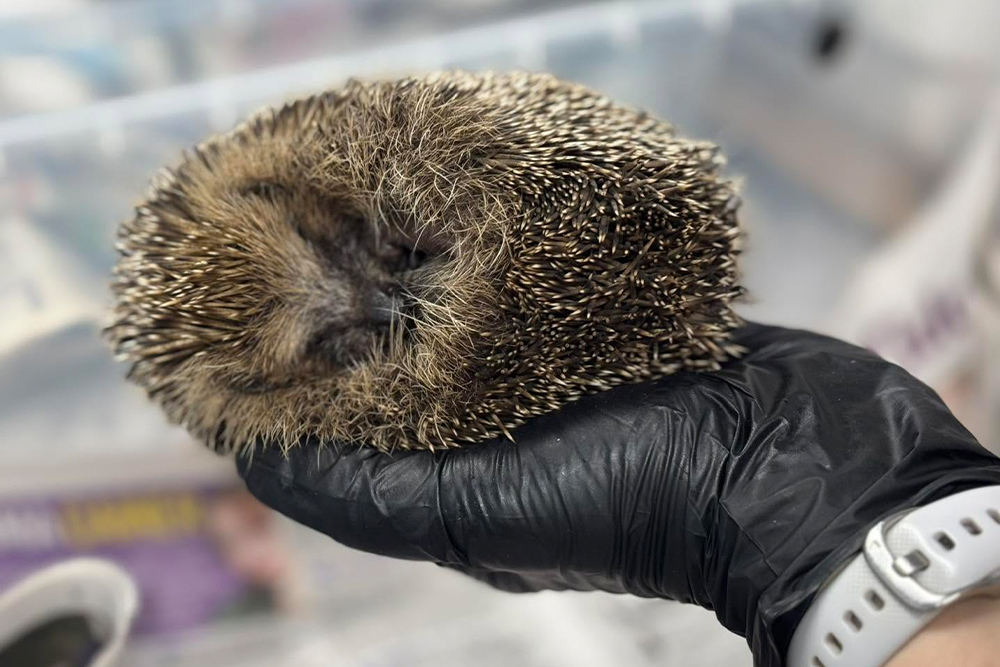
The profound impact of this grassroots rescue ripples across the region. Operating on a strictly self-funded basis, every syringe of pain relief, heated incubation pad, and tins of meaty cat and dog food relies on local donations and the team’s personal sacrifices.
With peak admission seasons stretching resources to the absolute limit, the rescue needs your help now more than ever to keep their pens stocked. Please consider making a vital donation today- whether by dropping extra supplies into your weekly shopping trolly or contributing onto the Garforth Hedgehog Amazon Wishlist.
Urgently Needed:
- High Meat Content Tinned Food: Puppy/Dog and Kitten/Cat
- Disposable Puppy Training Pads
- Brown Paper Take-A-Way Bags – Small/Medium/Large
How to Create a Hedgehog-Friendly Haven
While frontline triage takes place inside the rescue pens, the team believes long-term survival depends on our own back gardens. Conservation is a collective responsibility, and minor, cost-free adjustments to our gardening routines can save countless animal lives. The rescue team suggests four high-impact garden changes:
- Open “Hedgehog Highways”: Modern fencing traps hedgehogs in tiny spaces. Cut a small, 13cm by 13cm square hole at the base of your garden fence to create a vital corridor. This allows hedgehogs to roam safely between gardens without forcing them out onto dangerous roads.
- Ditch the Pellets: Chemical slug pellets can poison the wider food chain. Let hedgehogs act as your natural pest control instead. They will clear your aphids and slugs for free.
- Offer Safe Refreshments: Never give hedgehogs cow’s milk – it is fatal to them. Instead, leave out a shallow dish of fresh water and some dry kitten biscuits. Rob advises against putting out wet meat-based cat or dog food for the wild hogs as this will attract flies and other insects.
- Check Before Harming: Make it a non-negotiable habit to check long grass by hand before using a strimmer or lawnmower. If you are lighting a bonfire, move the pile, to a completely fresh spot on the day of burning to protect nesting wildlife.
Contact and Support: Regional Recognised and Verified Hedgehog and Wildlife Rescue Organisations
Garforth Hedgehog Rescue operates strictly as a medical rehabilitation sanctuary, not a public visitor attraction. Every ounce of the volunteers’ energy goes directly into animal care. However, if you encounter a hedgehog in genuine distress, prompt action can make the difference between life and death.
As a golden rule of thumb, the team emphasizes that because hedgehogs are strictly nocturnal, any hogs roaming in daylight is certainly sick, injured, or in urgent trouble. If you find a hedgehog out during the day- or one that is visibly wobbling, bleeding, or trapped – place it gently into a high-sided box lined with an old towel. Keep it in a quiet place and contact a local rescue straight away.
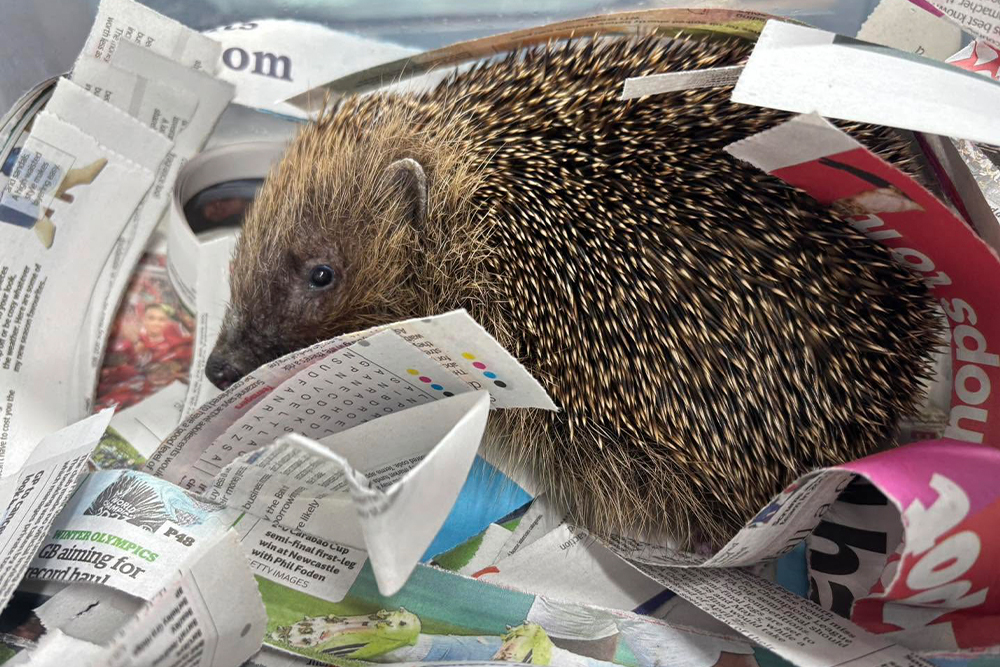
Wider West Yorkshire rescue centres can be reached when the local pens are temporarily full. Fortunately, area rescue facilities closely collaborate, routinely sharing resources and splitting large groups of orphaned hoglets to give them the best possible chance at survival.
- Garforth Hedgehog Rescue (Emergency Inquiries & Patient Drop-offs): You can message the team directly via the Garforth Hedgehog Rescue Facebook Page. This hub is the primary channel used by Rob to manage intake numbers and communicate with local finders.
- Micklefield Hedgehogs: Operating as an essential, dedicated local mini rescue in neighbouring Micklefield, this sanctuary handles emergency local intakes, public education initiatives, and works together with Rob’s network to raise orphaned hoglets. Check out updates, report local sightings, or seek rescue advice on the Micklefield Hedgehogs Facebook Page.
- Kippax Wildlife Corridor & Area Support: For residents in Kippax seeking localised advice on garden pathways, wildlife corridors, and emergency volunteer transport drivers, active public groups coordinate community responses. Keep up with local conservation work via the Kippax Wildlife Corridor Group.
- Castleford Hedgehog Rescue: 24hr Rescue. Centred on the Castleford borough area, just south-east of Garforth. Telephone: 0754 6415 693.
- Prickly Edge Hedgehog Rescue C.I.C (Methley): This registered community interest company works directly in partnership with local vets to provide expert first aid, critical care, and rehabilitation for sick, injured, and orphaned hogs. Learn more or get in touch on the Prickly Edge Hedgehog Rescue Facebook Page.
- Oulton Hedgehog Sanctuary (Leeds): Operating just a short distance away in South-East Leeds, this dedicated home rescue focuses on emergency triage, fluid therapy, over-wintering underweight hoglets, and public education. Get in touch via the Oulton Hedgehog Sanctuary Facebook Page.
- Yorkshire Swan & Wildlife Rescue Hospital (Barlow, near Selby): Located 12 miles further east of Garforth, this full-scale registered charity hospital acts as a critical tier-one backup when independent home rescues hit capacity. Reach their helpline on 01757 544554 or browse their guides at the Yorkshire Swan & Wildlife Rescue Hospital Website
- Selby Wildlife Rescue: Even though Selby is in a different county, its wildlife rescues play a vital role in the East Leeds network. Contact 01757 290459 / 07803 180720
- National Wildlife Advice: If you are outside the East Leeds area or need broad resources, you can access comprehensive guides via the official British Hedgehog Preservation Society Website.
- Alternative General Wildlife Directories: For broader UK-wide wildlife emergency contacts, maps of regional rescuers, consult the comprehensive listings on the Help Wildlife Directory.
Support independent community journalism!
East Side Story covers the people, places and stories in Leeds that are too often overlooked. While national headlines chase conflict and clickbait, we focus on real communities and the issues shaping daily life in East Leeds.
Divisive content, AI noise and online rumours spread faster than ever. At the same time, many mainstream outlets are stretched and rarely spotlight the community organisations and local champions who deserve recognition.
East Side Story was created to change that. We answer only to our readers. We have no corporate owners or billionaire funders. Our journalists report freely, ask difficult questions and hold power to account.
Your support helps us keep this work going. Monthly contributions make the biggest impact because they allow us to invest in deeper reporting and fearless local journalism.
Supporters also receive exclusive updates, behind the scenes insights and other benefits as a thank you for keeping independent journalism alive.