
 Catherine Louise Turner
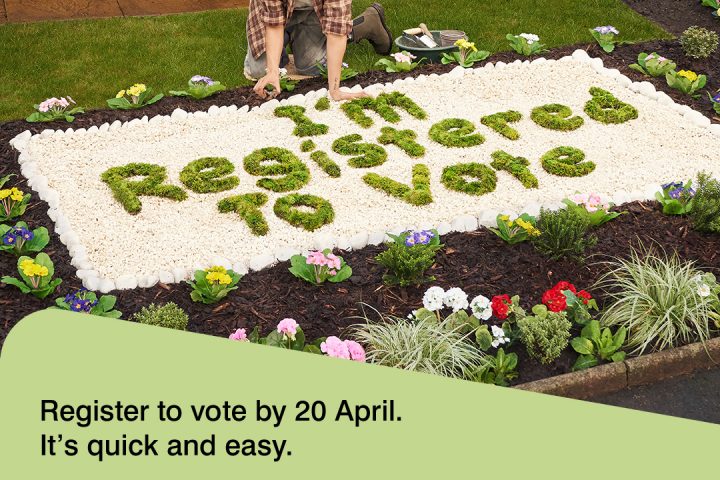
The local election to be held on the 7th of May 2026, Leeds could be the most fascinating contest in 16 years, when potentially, Leeds City Council could go into no overall control with the ruling Labour administration going under 50 seats.
Because Leeds votes in thirds, these next three elections 2026, 2027 and 2028 will dictate the political make up of Leeds and, more importantly, who runs the city.
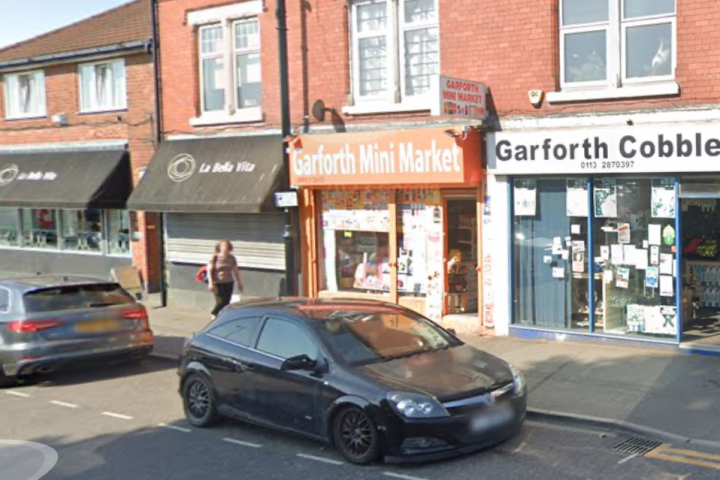
There will be some intriguing competition across East Leeds, not least in Garforth and Swillington.
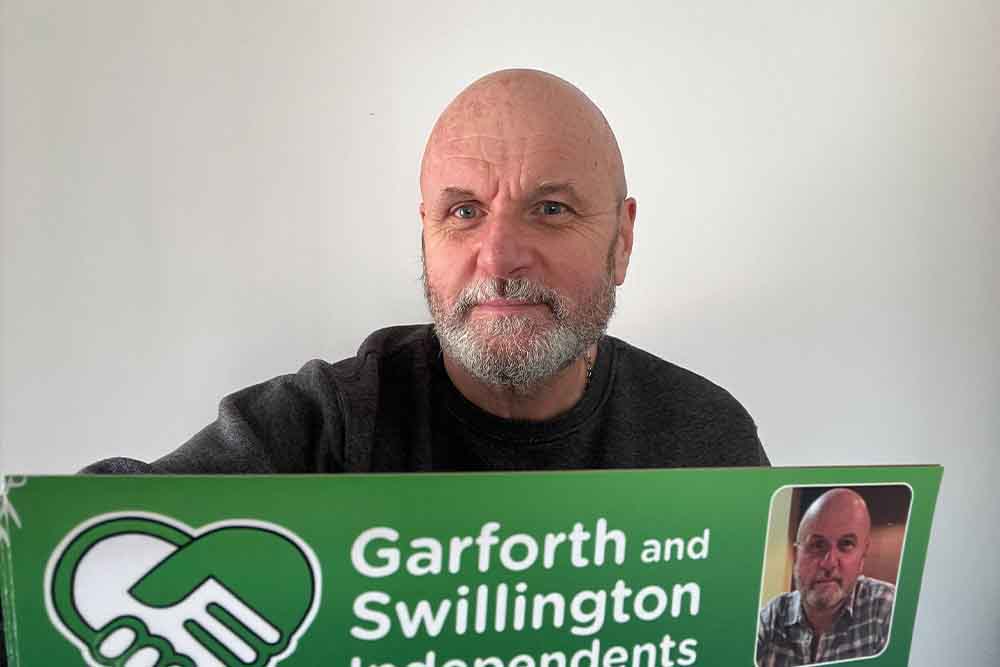
For nearly twenty years the ward has been the stronghold of Councillor Mark Dobson, since founding the Garforth & Swillington Independents in 2017.
First elected as a Labour councillor in 2017, he became a prominent figure on Leeds City Council, gaining national recognition and praise for his work in health scrutiny followed by an extended period on the executive board with responsibility for the environment, delivering muti-million-pound infrastructure projects and bringing in efficiencies to frontline services such as refuse. He also delivered the first municipal cemetery in Leeds for 90 years at nearby Whinmoor.
Strongly fancied as a future leader of the council and probably the standout elected member of his generation, his career took a significant turn in February 2017 when he made the unexpected decision to resign from the Labour Party, citing a growing disconnection with the group’s leadership, their approach to local issues, their spending priorities (it is questioned whether Dobson created the phrase ‘vanity projects’) and their failure to deal with, in his opinion, corrupt practices.
Since then, Dobson and his two ward colleagues have focused on a hyper-local approach.
His supporters point to his pivotal role in protecting the village feel of the area, most notably his successful campaign to save swathes of the local Green Belt from aggressive development.
“Mark doesn’t just show up for the photo op,” says one resident near the protected site. “He knows the planning laws inside out and he used them to protect our community.”
But could that two-decade domination be coming to an end next month?
Recent polls suggest that this May there will be a significant challenge to his two-decade domination of Garforth & Swillington politics.
The Liberals, Labour and the Conservatives are flatlining at 4, 3 and 2% of the vote respectively, but Dobson’s independent group and Reform UK are showing in some polls as neck and neck.
Dobson’s, clearly excellent, track record has now been challenged by David Butterfield, the Reform UK candidate.
His profile states him as a Project Manager who ‘identifies unique solutions to problems’. He promises ‘Cutting through the noise, challenge poor decisions, and deliver practical, hard-headed solutions that is right for the customer.”
Are the people of Garforth and Swillington really customers of David Butterfield?
Butterfield claims to offer a professional perspective that seems to treat the council as a business and residents as its clients. In his campaign messaging, he often frames his professional background in terms of ‘customer service’, suggesting that the residents of Garforth and Swillington are essentially his clients.
Does his message misread the nature of local government?
The people of the Garforth and Swillington ward may not see themselves as customers in a marketplace. More likely they see themselves as citizens, stakeholders, neighbours, friends and families in a shared community.
Unlike a business transaction, where a dissatisfied customer can simply take their money elsewhere, residents are deeply rooted in their schools, their streets, and their local green spaces.
Dobson’s appeal appears rooted in a ‘people over ideology’ approach, focusing on long-term stability and local protection, but he still retains a huge political knowledge at city level which he uses to influence decision making wherever possible.
He successfully lobbied to remove 37 greenbelt sites from the original housing proposals and avoided over 10,000 units in previous planning cycles. Dobson also secured a critical pledge for independent oversite of Leeds child safeguarding procedures following procedural failures that found its way into the media in 2025.
Garforth and Swillington Independents were the only opposition group to formally challenge the scale of the administration’s 4.99% council tax hike, arguing for tighter fiscal management and the end to waste.
More recently, he led the citywide campaigns of push for improvement to pothole repairs on our roads.
In their literature, Butterfield & Reform UK presents a ‘common sense’ platform that mirrors Reform UK’s national push for radical efficiency and prioritising British citizens.
While Reform UK is tapping into a national surge of interest, some question that his party can match Mark Dobson’s institutional knowledge and proven record of delivery.
“You can’t learn how to navigate the Civic Hall overnight”, said one local resident. “Mark knows exactly which levers to pull to get things done. A vote for a national trend doesn’t necessarily fix a local pothole or prevent greenbelt.”
In an era of political flux, Dobson’s supporters believe that local experience beats corporate national themes and political trends.
Advocates for Butterfield claim he is the man to lead Garforth and Swillington into the next phase of community life, balanced with a strong emphasis on national issues such as immigration and, more locally, tackling bureaucracy in the Civic Hall.
The election count will take place on the 8th of May, and it is highly likely one of these two men will be elected.
Support independent community journalism!
East Side Story covers the people, places and stories in Leeds that are too often overlooked. While national headlines chase conflict and clickbait, we focus on real communities and the issues shaping daily life in East Leeds.
Divisive content, AI noise and online rumours spread faster than ever. At the same time, many mainstream outlets are stretched and rarely spotlight the community organisations and local champions who deserve recognition.
East Side Story was created to change that. We answer only to our readers. We have no corporate owners or billionaire funders. Our journalists report freely, ask difficult questions and hold power to account.
Your support helps us keep this work going. Monthly contributions make the biggest impact because they allow us to invest in deeper reporting and fearless local journalism.
Supporters also receive exclusive updates, behind the scenes insights and other benefits as a thank you for keeping independent journalism alive.