
 Janine Griffiths
A new exhibition at the Thackray Museum of Medicine is handing the microphone to young people who say healthcare has too often ignored voices like theirs.
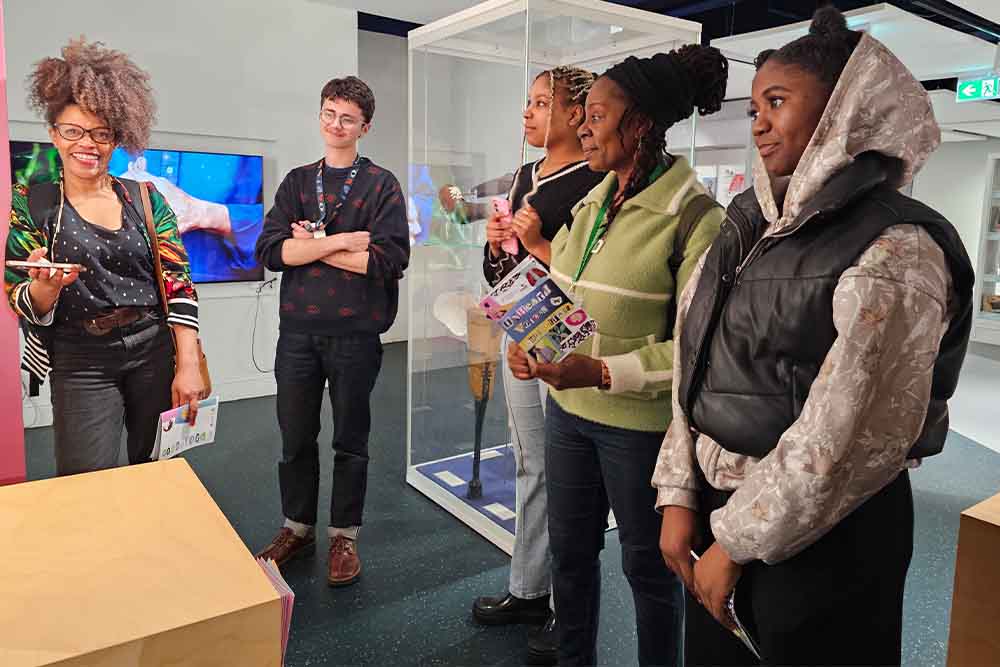
The “Unheard Voices” trail, created by nine young women from the East Leeds charity Getaway Girls, launched on Friday 27th March.
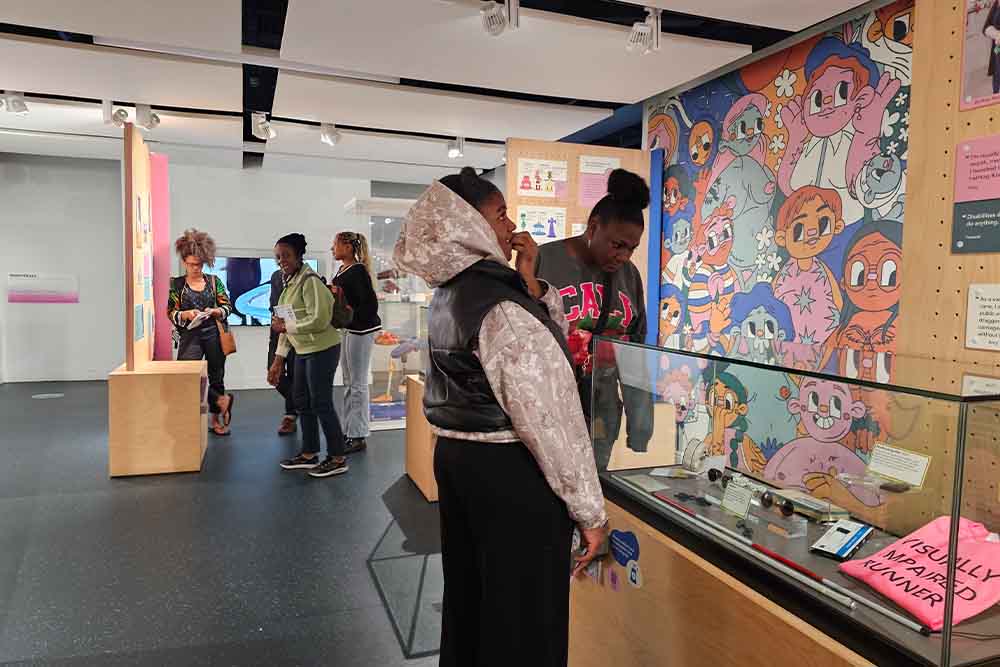
It brings together creative writing, artwork and an audio trail, all produced by nine young people who worked with local artists and tutors. Each participant chose a topic that felt important to them, exploring inequalities in healthcare linked to age, race, gender and disability.
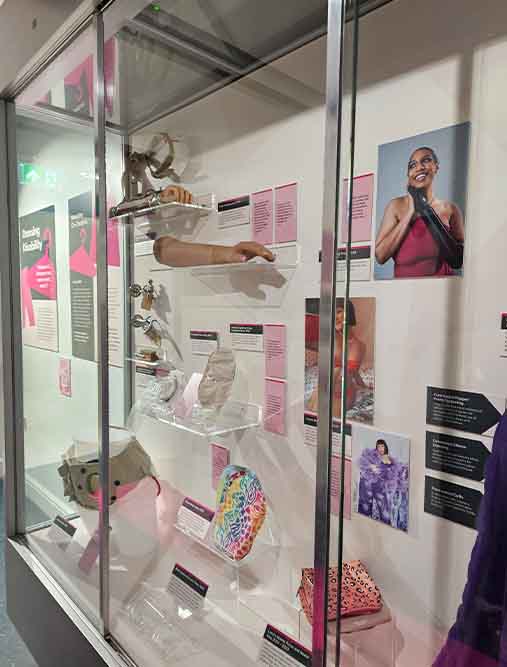
The project uses QR codes and a printed zine to highlight medical stories the girls felt were missing from the museum’s galleries, including lupus, prosthetics and the first black NHS mental health consultant. The project came directly from the young women’s own lives or research interests. One of those young women was Tasiah Angus, 18, who is currently studying bricklaying at college.
Her project centred around Dr Aggrey Burke, one of the first black NHS consultant psychiatrists who came over from Jamaica in 1959, at the age of 16. He blew the whistle on racist admission policies at London medical schools and spoke out about the disproportionate number of black men in mental health hospital wards.
Tasiah said his advocacy for mental health equity was the inspiration behind her own journey. She explained: “ It was really fun to write about and realise that he was one of the first black NHS consultants here in the UK, examining mental health within the black community as it wasn’t really recognised as much.
“Because of my own experiences with mental health, I was already drawn to it,” she added, explaining: “I hope people recognise the first black consultant, and also understand that only one in three black minorities were diagnosed. We need to step up, focus on the black community and their mental health, and make it easier for them to get the support they need.”
The young women involved are all part of Getaway Girls, an East Leeds charity that has spent more than 30 years empowering girls and young women, helping them build confidence, resilience and the courage to take positive risks.
Paulette Morris is a creative writing tutor at Getaway Girls. She said the museum visits helped the group uncover stories they felt were missing. She added: “ We had a visit around the museum, and this inspired some of the young people to look at some of the things that they felt that were missing.
“We feel some of these are hidden stories within medicine and that they should be represented in museums for diverse communities. We’re hoping the stories from the young people’s perspective will help fill those gaps and educate people about how they respond to museums.”
For 20 year old Chelea Wright, the project became a way to expose the racial disparities that black and global majority people encounter in accessing prosthetics.
She said that she was “shocked” to discover the widespread gaps and racial inequalities that black people face when trying to get prosthetics that match their skin colour: “There have been many case studies of black individuals being told they had to pay to have their prosthetic match their skin colour, something that would never happen to a white person. A white person wouldn’t want their prosthetic to be pink or purple, so why would a black person want theirs to be white? It’s about fairness and equality, and I wanted to show that, because most people would assume all shades of prosthetics are available.
“It’s been a process, and a fight, because everything to do with skin colour always feels like a fight. And it shouldn’t be.”
For Flavia Docherty, the project is about visibility and pride. She said the project is about telling stories from the black and global majority community that are not usually seen in places like museums.
She added: “It’s really nice to have the women invite their families to come to say they’re proud of it.
“So the fact that the young women have been telling their stories, and they’ve chosen how they wanted to amplify their voices and worked on that together is wonderful. For us, it’s about the process as well as the end product and what they produced.”
By highlighting stories from lived experience, the exhibition encourages audiences to think differently about healthcare, representation, and equality, and the role young people can play in shaping understanding for the future.
You can listen to the powerful stories from the Unheard Voices trail at: https://thackraymuseum.co.uk/unheard-voices-getaway-girls-x-thackray-audio-trail/#chelea
Support independent community journalism!
East Side Story covers the people, places and stories in Leeds that are too often overlooked. While national headlines chase conflict and clickbait, we focus on real communities and the issues shaping daily life in East Leeds.
Divisive content, AI noise and online rumours spread faster than ever. At the same time, many mainstream outlets are stretched and rarely spotlight the community organisations and local champions who deserve recognition.
East Side Story was created to change that. We answer only to our readers. We have no corporate owners or billionaire funders. Our journalists report freely, ask difficult questions and hold power to account.
Your support helps us keep this work going. Monthly contributions make the biggest impact because they allow us to invest in deeper reporting and fearless local journalism.
Supporters also receive exclusive updates, behind the scenes insights and other benefits as a thank you for keeping independent journalism alive.