
 Michael Hassell
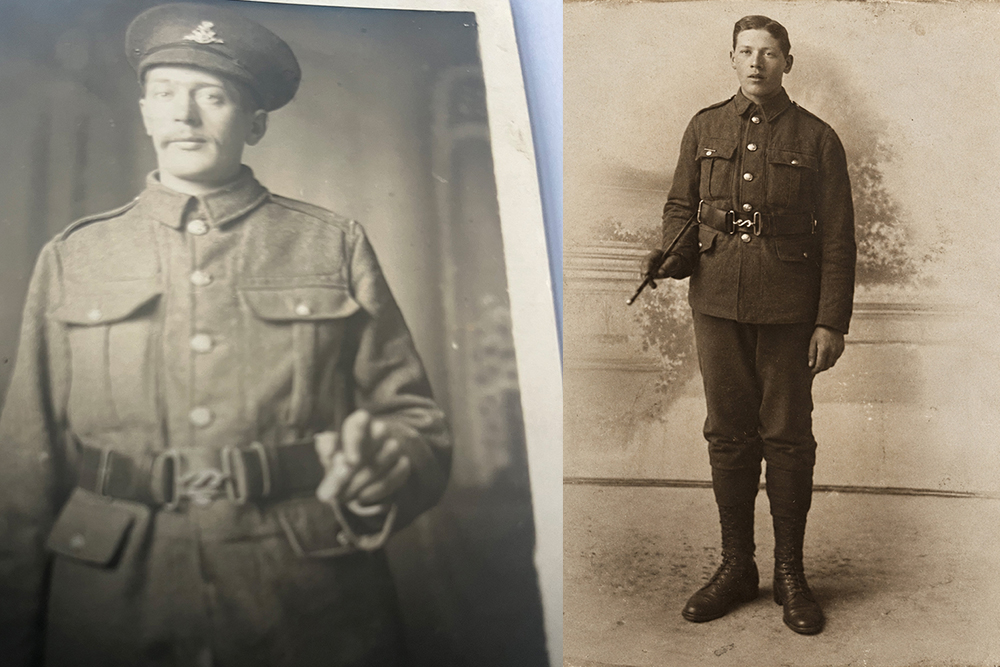
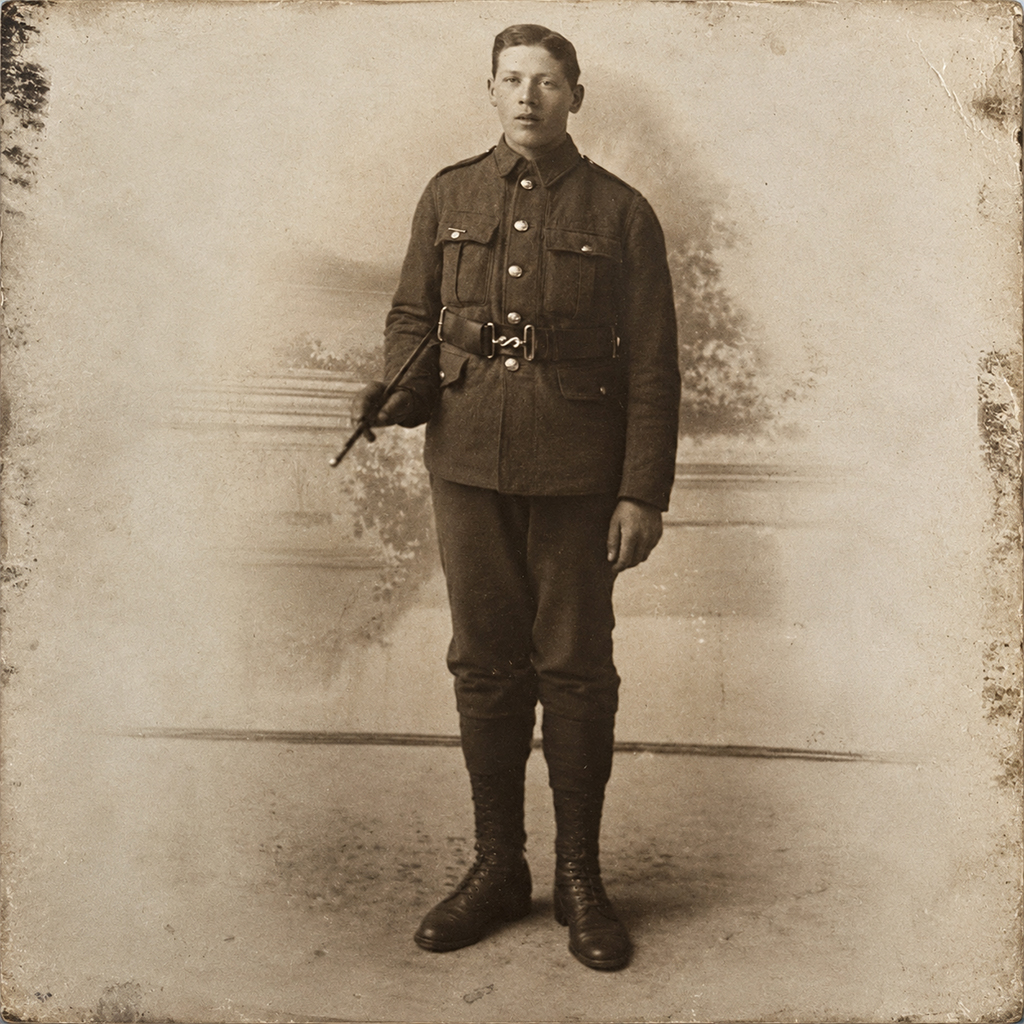
This is the story of two brothers, John and Samuel Wark. John was born in 1891 while the family were still living in Co. Londonderry, N. Ireland. Samuel was born in 1898, in the Civil Parish of Great and Little Preston, Swillington, near Leeds. There were two more brothers younger than Sam and three sisters, two older and one younger.
Growing up Sam idolised John, looking up to him for inspiration, leadership and guidance. In return John looked out for Sam, keeping him safe, and on the right path.. They were inseparable, always together.
We don’t know what work John went into when he left school. He might have found work in Farming, with his father, Matthew, and his Uncle James, who had both worked in Farming in N. Ireland, before both families moved to Swillington. But the 1911 Census shows that while Matthew and James were still in Farming, John, now aged 20, was working at the local Coal Mine as a Colliery Labourer. Sam couldn’t wait to join him. The same 1911 Census, shows Sam, now 13, was working alongside his brother, also as a Colliery Labourer. The school leaving age then was just 12 years old.
1914 saw the start of WWI. John was 23, and Sam was just 16. At the start of the war in 1914, coal mining was not immediately protected. Over 25% of British miners voluntarily left the mines to join the armed forces, which caused severe labour shortages. When the Government introduced Conscription via the Military Service Act in 1916, key underground workers such as hewers and haulage men became officially designated as part of a reserved or certified occupation. Initially conscription was of single men aged 18-41. Sam could not have been conscripted till 1916, but like many men he could have lied about his age, and volunteered earlier.

When John enlisted, Sam was right there by his side. There was no way John was going off to war leaving Sam behind. They joined the West Yorkshire Regiment. We know they joined at the same time because they have consecutive army numbers. Sam first, then John, who made sure they were both in the same Battalion, even the same company. As regiments get depleted by the large number of casualties, troops are transferred to other regiments. John and Sam were moved to the King’s Regiment (Liverpool), and again they are given consecutive army numbers, the same battalion, but this time they are put into different companies.
The Kings Regiment were involved in several battles in July 1917, including the Battle of Pilkem Ridge (31st July – 2nd Aug). This was the start of the 3rd Battle of Ypres, also known as Passchendaele, which lasted from 31st July – 6th November 1917. A limited Allied advance of about 5 miles came at a massive cost in lives. Samuel died on the 24th July, 1917, aged 19; John died 7 days later on the 31st July. He was 26.
Initially they were both listed as missing presumed dead. Like many other soldiers their bodies were never recovered, and consequently have no marked grave. However, they are all remembered on the Wall of Remembrance at the Menin Gate Memorial in the town of Ypres.
In 2017, 100 years after their deaths, I decided it was time to pay my respects. After all, they were my great-uncles. I took a tour of WWI battlefields which included Ypres and its surrounds. I was very conscious I may have well been walking on the very ground where John and Sam had walked and had lost their lives. I also attended the Last Post Ceremony, which is carried out at 8pm every evening, at the Menin Gate Memorial, to remember those soldiers who have no marked graves. In Panel 6 on the Wall of Remembrance are the names Wark J and underneath Wark S.
The brothers may not have had much of a life. No wife or children of their own. But they always had each other, and looked out for each other. They grew up together, worked together in the pit, enlisted together, fought together and died together on the battlefield. And they will be remembered together in perpetuity on that Wall of Remembrance at the Menin Gate in the town Ypres.
The brother’s cousin James, whose father, also James, had brought his family to Swillington at the same time as Matthew brought his, also enlisted to fight in WWI. He would have been 27 in 1914. We don’t know if he volunteered early on, or if he was conscripted after 1916. James initially joined the East Yorkshire Regiment. But then he too was transferred, this time to the 27th (Tyneside Irish) Bn., Northumberland Fusiliers.
The Tyneside Irish had fought on the first day of the Battle of Somme, 1st July, 1916. It is more likely James had been part of the reinforcements to replace the heavy losses the Tyneside Irish had suffered on the Somme.
On the 4th April, 1917, the Tyneside Fusiliers left their billets in Arras, and took over a portion of the front line in the Roclincourt area. Towards the end of April several battalions, including the 27th, were in position for the assault on Rouex, which was to take place on the 27th April. On the 28th, a German counter-attack was made. On the 29th, after the battle, the Tyneside Irish handed over ‘the line’ and withdrew. There were many losses, including James Wark, who was wounded in battle, but then on the 29th April, he died. He was aged 30.
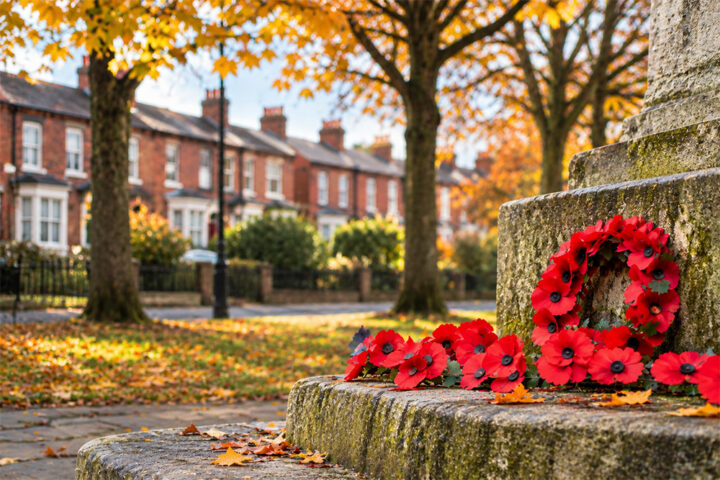
James does have a marked grave, and is remembered with Honour at the Duisans British Cemetery in Etrun. I was able to visit his grave, and leave a Poppy. I don’t know if anyone else from the family ever visited his grave.
At the bottom of the gravestone is an inscription:
This World seems quite a dif erent place
Without the smile of my loved ones face
I have no idea whether this is from the family, or a wife or a girlfriend. I cannot find any evidence he had a wife or children.
Anyone could have an inscription put on a gravestone at a cost of one old penny per letter. There are 67 letters for this Inscription. That is 5 shillings and 7 old pence. Average earnings in 1920 were £3 to £5 per week
Support independent community journalism!
East Side Story covers the people, places and stories in Leeds that are too often overlooked. While national headlines chase conflict and clickbait, we focus on real communities and the issues shaping daily life in East Leeds.
Divisive content, AI noise and online rumours spread faster than ever. At the same time, many mainstream outlets are stretched and rarely spotlight the community organisations and local champions who deserve recognition.
East Side Story was created to change that. We answer only to our readers. We have no corporate owners or billionaire funders. Our journalists report freely, ask difficult questions and hold power to account.
Your support helps us keep this work going. Monthly contributions make the biggest impact because they allow us to invest in deeper reporting and fearless local journalism.
Supporters also receive exclusive updates, behind the scenes insights and other benefits as a thank you for keeping independent journalism alive.