
 Janine Griffiths
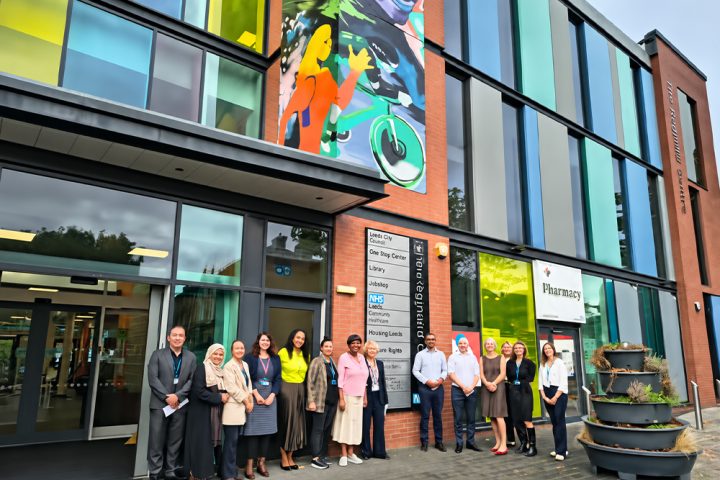
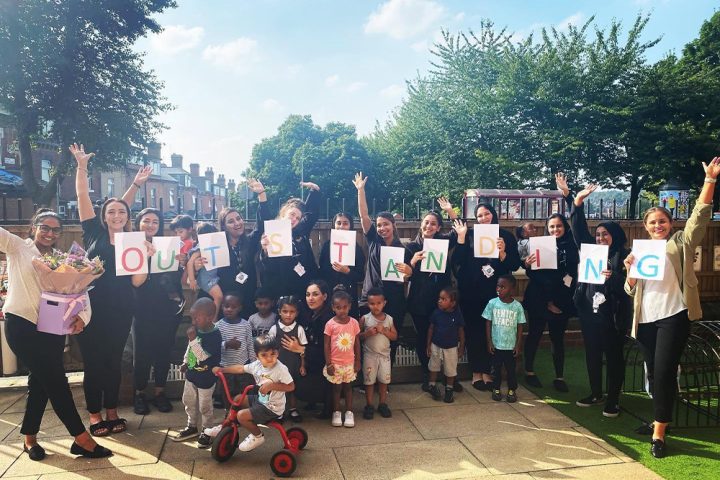
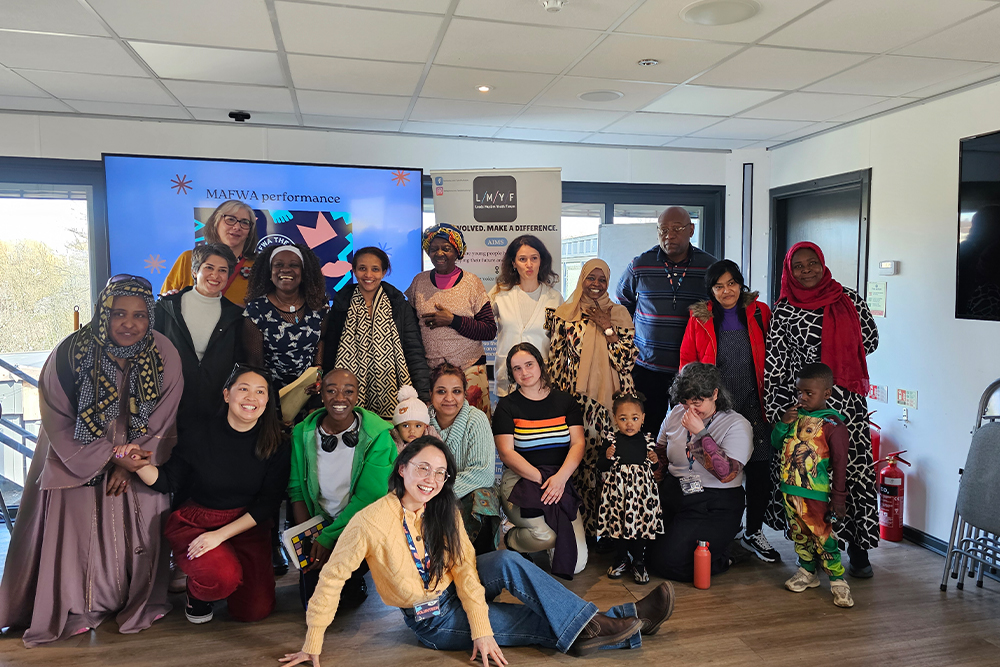
A community event in CATCH brought together residents, advocates and health workers to confront long standing health inequalities affecting people in Gipton and Harehills.
The Tackling Health Inequality Together event took place on 26 March and featured talks, stalls and entertainment as project organisers encouraged residents to share their experiences of health inequality and barriers to care. It aimed to build evidence for change that reflects the realities of one of Leeds’ most diverse communities.
The event was part of a research project designed to amplify local voices and push decision makers to act.
Speaking after the event, Salma Arif, councillor for Gipton & Harehills said that tackling health inequalities requires a fundamental shift in approach, adding: “We have to make sure we shift the power to the community, not the other way around. We have a brilliant set of people starting the beginning of something really important so I was glad to support the event in whatever way I can.“
For many of those taking part, the strength of the event came from the mix of voices in the room. Evelyn Blackwell, 27, Project Facilitator for Leeds Muslim Youth Forum, said: “I think we’ve had a fantastic turnout and we had a good range of speakers, so I’m happy.” She said it was inspiring to see people of different backgrounds and perspectives come together in a positive way.
Blackwell explained that researchers had been asking residents what it means to live well in Harehills, identifying strengths within the community and exploring how they can be amplified. She said that research will be ongoing to identify the root causes of health inequalities in Harehills, adding: “Harehills is super diverse, and there have been lots of research projects previously looking at health inequalities, including studies focused on Harehills and Gipton. But they haven’t looked at the different diverse groups within those areas, so it’s hard to tell whether inequalities are linked to economic background or to discrimination. This project aims to look specifically at racial discrimination and discrimination against ethnic minoritised communities in Harehills.
“We have so many different types of people speaking today, which is incredible. We’re seeing people from all walks of life, and it’s motivating to understand how they got to where they are today.”
Fabehah Ali, 20, a member of the Steering Committee and a researcher on the project, said health inequalities stretch far beyond doctors and hospitals. “Although the event does mention health, a lot of other factors come into this. For example, it could include housing, lack of access to green spaces, having no one to speak to, or cultural or language barriers.”
Ali said that language and cultural problems create real barriers in healthcare. She hopes to release a documentary on health inequalities by March 2027. But her biggest hope for the project is simpler: “I’m really hoping that the decision makers in this community would be able to take into account what we have to say. It is very vital to at least have our voices heard, because that is the start of change.”
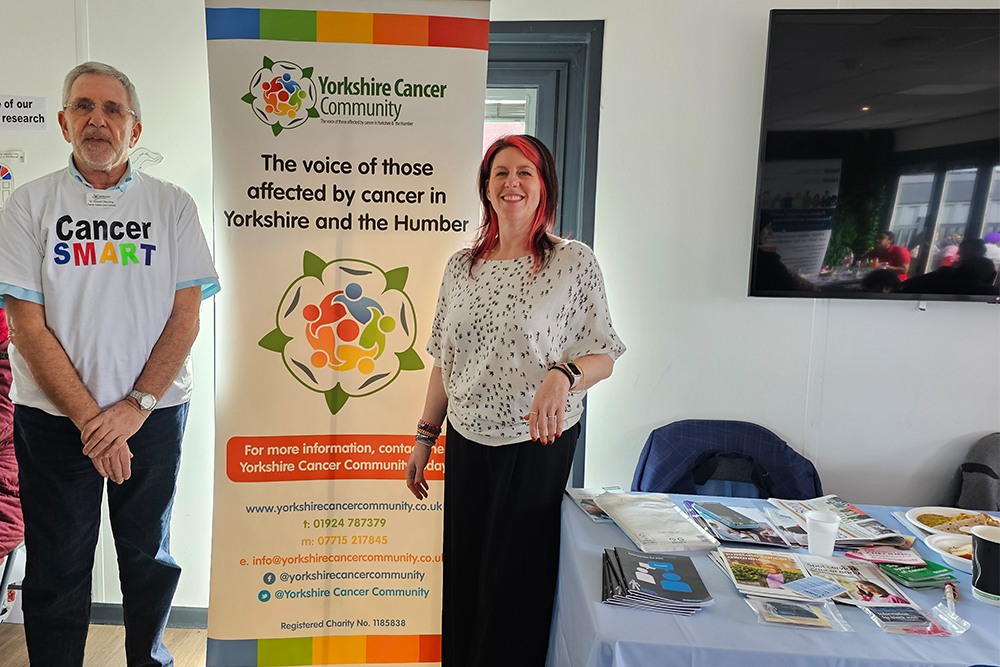
The event also highlighted how inequalities play out in serious illness. Dr Stewart Manning, Chairman at Yorkshire Cancer Community also spoke at the event. He said that health disparities between different areas in Leeds can impact life expectancy, adding: “If you live in Gipton compared to where I live in North Leeds, your life expectancy is 12 to 14 years less, and if you have a learning disability, it’s 25 years.”
Dr Manning also stressed the importance of health education adding: “A lot of people don’t like going to the doctor, but unless you engage with a doctor, we can’t really help,” he said.
He was joined by his colleague Dr Sarah Mitchell, manager at Yorkshire Cancer Charity, who said her organisation knows it has work to do, and added: “Part of our focus is to try and engage in more diverse communities.”
She added that common obstacles include a lack of awareness about screening programmes and difficulty talking to professionals.
For others, the day was a chance to focus on advocacy and long term change. Abigail Olaley, 32, from the Culturally Diverse Hub, described the event as “incredible” and stressed the importance of residents having a seat at the table.
“We need to ensure that we are in spaces where decisions are being made,” she said, adding that representation is not enough without ensuring those spaces are safe and that people feel free to express their opinions without being judged.
Olaley said genuine progress depends on listening to communities. “We need to be able to hear them, not just project onto them,” she said. She called for sustained commitment from institutions because “that’s the only way really, that you’ll be able to get a lot more tailored interventions that actually make meaningful change.”
As the project begins its work, many of those involved say their hope is for deeper understanding, stronger advocacy and a future where local voices shape the policies that affect their lives.
Support independent community journalism!
East Side Story covers the people, places and stories in Leeds that are too often overlooked. While national headlines chase conflict and clickbait, we focus on real communities and the issues shaping daily life in East Leeds.
Divisive content, AI noise and online rumours spread faster than ever. At the same time, many mainstream outlets are stretched and rarely spotlight the community organisations and local champions who deserve recognition.
East Side Story was created to change that. We answer only to our readers. We have no corporate owners or billionaire funders. Our journalists report freely, ask difficult questions and hold power to account.
Your support helps us keep this work going. Monthly contributions make the biggest impact because they allow us to invest in deeper reporting and fearless local journalism.
Supporters also receive exclusive updates, behind the scenes insights and other benefits as a thank you for keeping independent journalism alive.