
 Anna Windsor
A group of Chapel Allerton residents recently appeared on the BBC’s nature documentary series, ‘Hamza’s Hidden Wild Isles’.
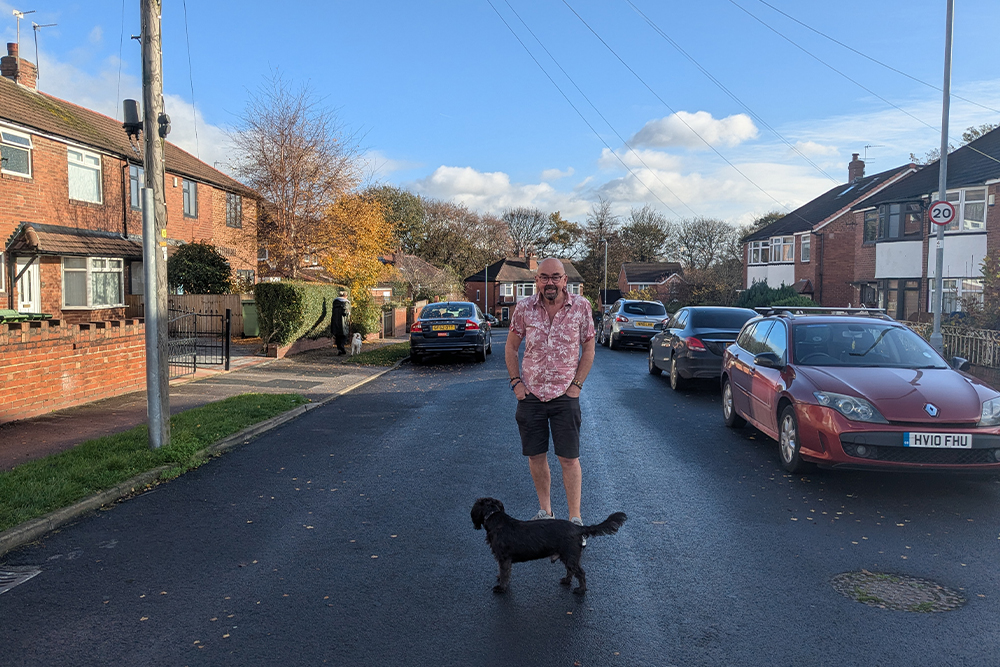
The second episode of the series included a section filmed on their street, which has become a haven for Swifts due to the residents installing nest boxes on their houses. The street is unofficially known as ‘Swift Avenue’ for the large flock of swifts which breed there over the Summer.
Martin Calvert, 68, inadvertently started the project by installing nest boxes on his own house, and then asking neighbours if they wanted to get involved. According to Calvert, the project happened organically: ‘it was never a big grand plan, it just evolved as a result of the success of the Swifts taking to the nest boxes.’ There are currently about thirty houses with nest boxes on the street, and the number of breeding pairs has increased from three to forty since Calvert started the project.
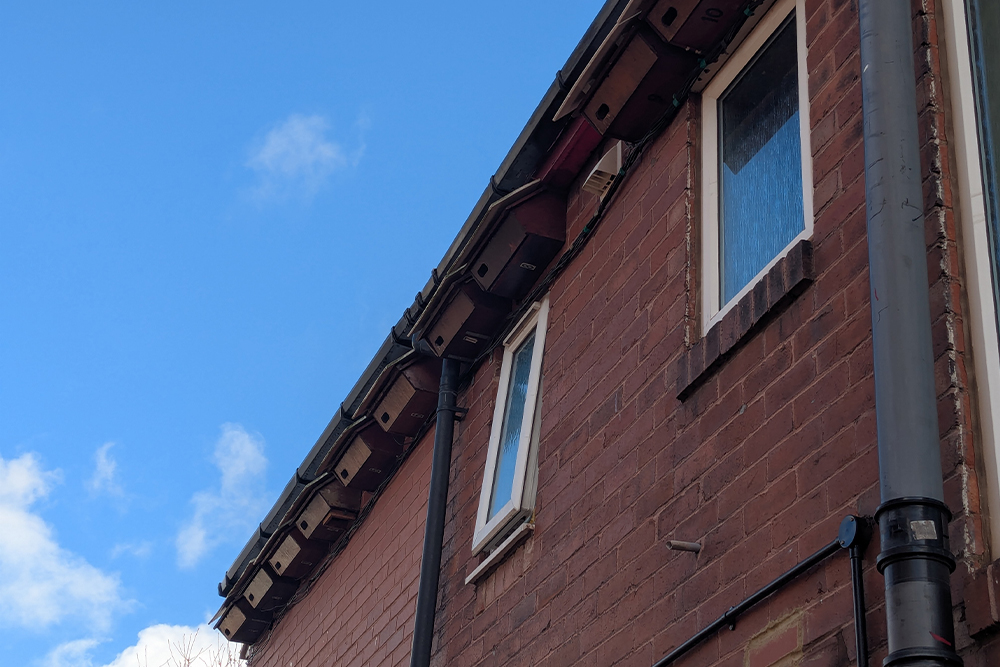
According to Calvert, the human inhabitants of Swift Avenue have also benefitted from the project: ‘people go in the back garden with a glass of wine and watch the swifts and they really enjoy it. I know more of the neighbours now than I probably would have done without putting boxes up.’
Swift populations have been in rapid decline in the UK since 1995, and they are currently on the UK’s Red List of Birds of Conservation Concern. Calvert explains that this is largely due to losing their traditional nesting sites. In the past, Swifts often nested in cracks and crevices in houses, but as people have repaired their roofs, these holes have been filled in leaving Swifts with nowhere to nest and reproduce.
This loss of nesting sites has had a large impact on Swifts in East Leeds, Calvert adds: ‘Swifts were nesting in quite a lot of the estates in Seacroft and Gipton. The council has re-roofed them and in doing so will have blocked hundreds of Swifts nests, and those swifts will have nowhere to go.’
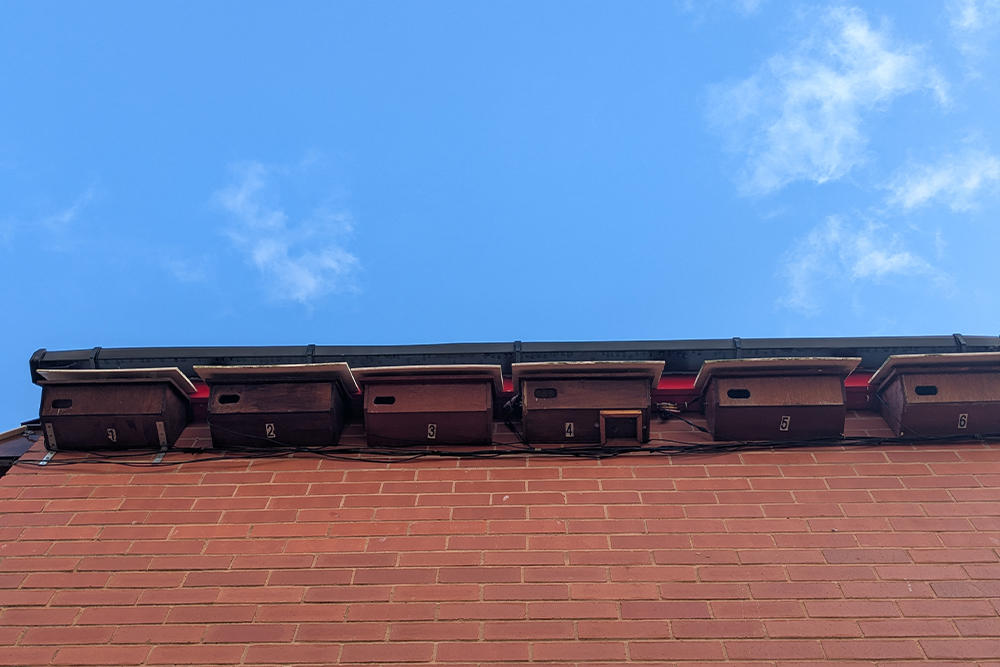
For homeowners wishing to carry out building works, there are options to help keep nesting Swifts safe. Calvert recommends speaking to your contractor if you are having your roof repaired, as they may be able to work around any nesting Swifts. Installing a nest box also creates an alternative nesting site for the Swifts. For new housing developments, installing Swift bricks during the building process is a simple way to create habitats for Swifts without impacting residents.
If you would like to help create nesting sites for Swifts in your area, Calvert recommends installing a Swift box and playing Swift calls over a speaker until they find it. The best location for a nesting box is near the roof, where the eaves overlap. You can also get in touch with your local Swift conservation group for advice here.
Support independent community journalism!
East Side Story covers the people, places and stories in Leeds that are too often overlooked. While national headlines chase conflict and clickbait, we focus on real communities and the issues shaping daily life in East Leeds.
Divisive content, AI noise and online rumours spread faster than ever. At the same time, many mainstream outlets are stretched and rarely spotlight the community organisations and local champions who deserve recognition.
East Side Story was created to change that. We answer only to our readers. We have no corporate owners or billionaire funders. Our journalists report freely, ask difficult questions and hold power to account.
Your support helps us keep this work going. Monthly contributions make the biggest impact because they allow us to invest in deeper reporting and fearless local journalism.
Supporters also receive exclusive updates, behind the scenes insights and other benefits as a thank you for keeping independent journalism alive.